
Can You Trust AI Skincare Advice? Haut.AI Makes Some Bold Claims
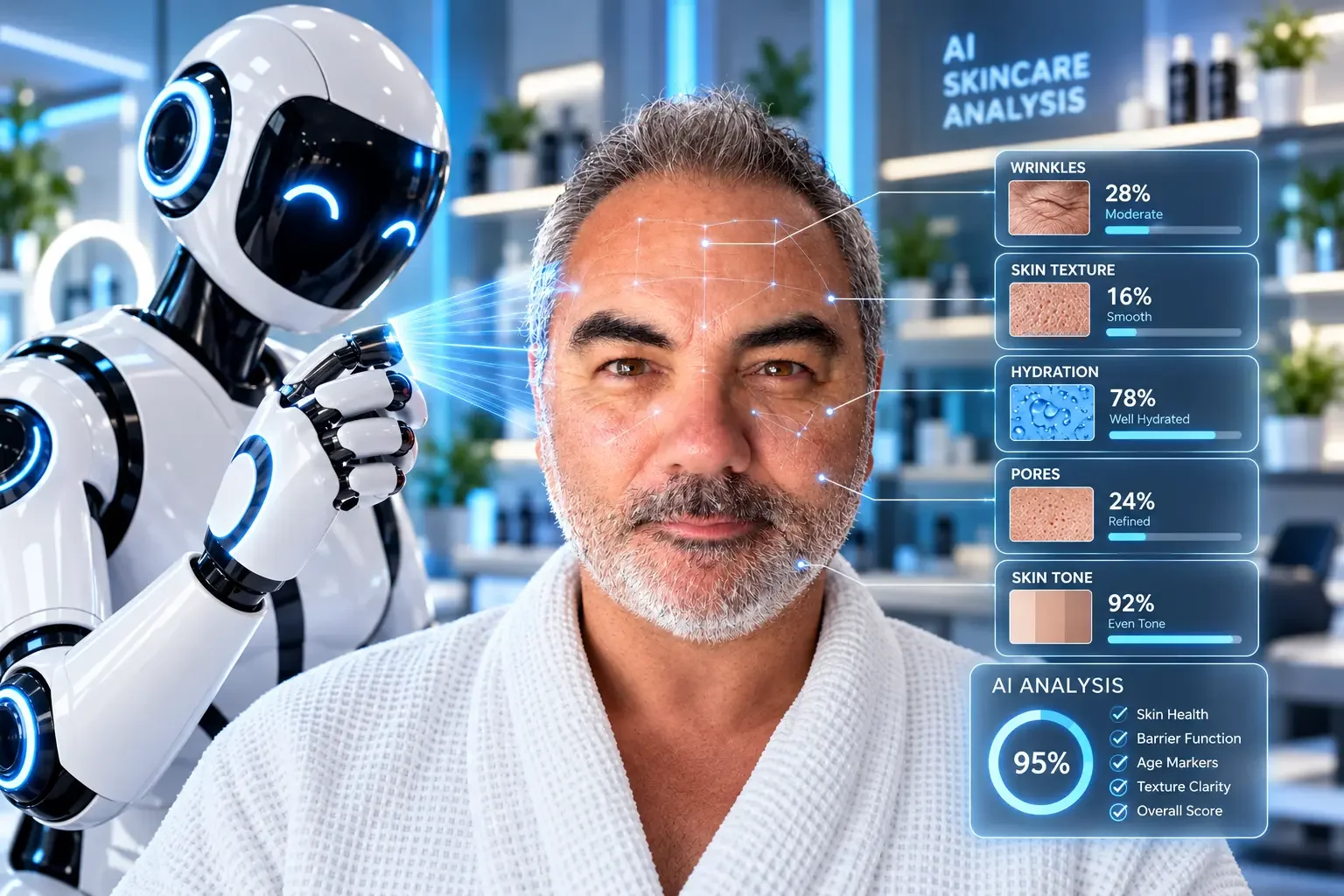
Artificial intelligence is becoming an increasingly important part of our everyday lives. Over the past couple of years, I've reviewed plenty of AI-powered gadgets, from smart recording devices to translation tools, and I've seen firsthand just how useful this technology can be.
And let's be honest, more and more of us are turning to AI when we need information, recommendations or quick answers. I'm certainly no exception.
But there's one thing I've learned: AI can be incredibly clever, but it can also get things wrong.
And when it comes to something as personal as our skin, I think we need to be particularly careful.
Haut.AI Believes Specialist AI Can Make Skincare More Accurate
Haut.AI, a technology company specialising in artificial intelligence for the beauty industry, is developing systems designed to analyse skin and recommend personalised skincare products.
The company makes some impressive claims about its existing technology. According to its website, its skin-analysis platform has been trained on more than three million images and can evaluate over 150 facial biomarkers, using 94 specialised algorithms.
It also claims to achieve 98% diagnostic accuracy across different skin types.
That's an impressive figure, although it's important to remember that this is Haut.AI's own reported performance, not a guarantee that every consumer will receive an accurate assessment.
The company argues that specialist AI models, trained specifically to measure skin characteristics, are fundamentally different from general-purpose AI systems that interpret photographs and generate descriptions.
That distinction makes sense. A technology specifically developed to measure wrinkles, pigmentation and skin texture should not automatically be judged in the same way as a general AI chatbot.
But how reliable are these systems when we actually use them?
AI Skin Analysis Isn't Always Reliable
Earlier this month, UK consumer organisation Which? published an investigation into AI skincare scanners.
Thirty volunteers completed more than 120 scans using the Boots Skincare Diagnostic Tool, and the findings were revealing.
Approximately 37% of participants received results that didn't match their actual skin concerns.
The investigation also found that lighting conditions could make a considerable difference. For some participants, changing the lighting caused their skin scores to increase or decrease dramatically.
One particularly interesting finding involved people with visible acne and breakouts. Of 14 participants who identified these as their primary concern, the scanner failed to recognise or directly contradicted their concerns in 10 cases.
Importantly, the Boots tool tested by Which? was not Haut.AI's technology. The investigation doesn't establish that Haut.AI would produce the same results, but it demonstrates why consumers should examine the evidence behind AI skincare claims carefully.
Why I Still Believe in Real-World Skincare Reviews
As someone who has been reviewing men's skincare products for 13 years, I find all this fascinating.
I love technology, and I'm certainly not against using AI to help people understand their skin better.
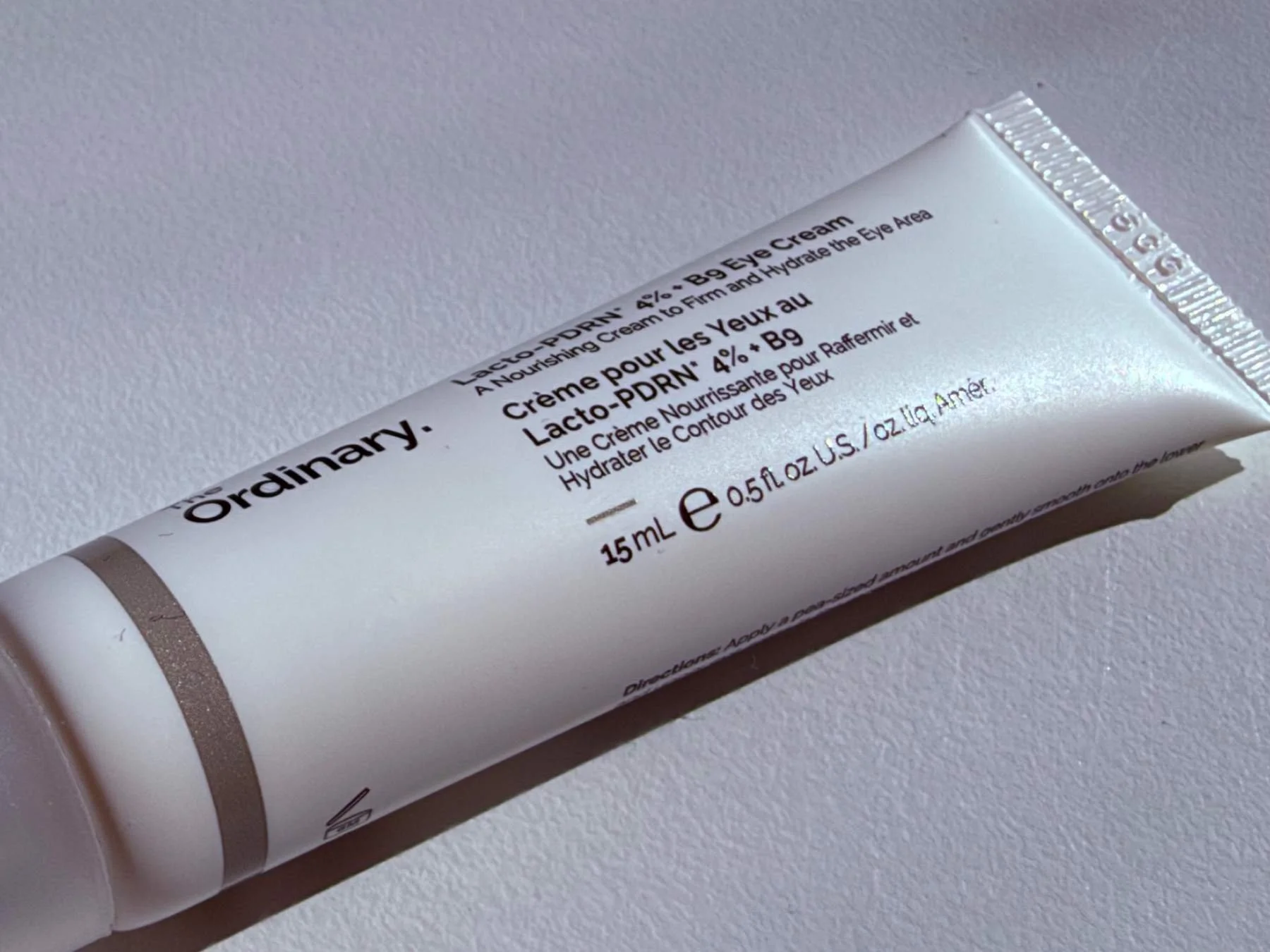
But when I review a moisturiser, face serum or eye cream, I want to know what happens when I actually use it.
Does it absorb quickly? Does my skin feel greasy after a few hours? Does it cause irritation or redness? And, more importantly, do I notice any improvement after several weeks?
Those are the details I try to explain in my reviews because they're the things that matter when somebody is spending their hard-earned money on skincare.
An AI tool might analyse the visible condition of my skin and suggest a suitable product. What it cannot know in advance is exactly how my skin will react to that product over the following days or weeks.
That's why I believe technology and genuine product testing should complement each other rather than compete.
Should Men Trust AI Skincare Recommendations?
My answer is simple: AI can be a useful starting point, but I wouldn't rely on it completely.
Specialist technology such as Haut.AI's could become increasingly useful for tracking visible skin changes and helping shoppers understand different skincare ingredients.
However, I'd still recommend reading detailed product reviews, checking ingredients, and introducing new skincare products gradually, especially if your skin is sensitive.
And if you're dealing with a persistent skin condition, a dermatologist is far more appropriate than an AI skin scanner.
AI is changing skincare, and I find that genuinely exciting. But for me, there's still nothing quite like using a product in real life and discovering whether it actually delivers what it promises.
Jerome

Can you trust AI skincare analysis? We examine Haut.AI's accuracy claims, the risks of AI skin scans, and why real-world skincare testing still matters.