
Roborock Saros 10 Review: Brilliant, But Not for Every Home
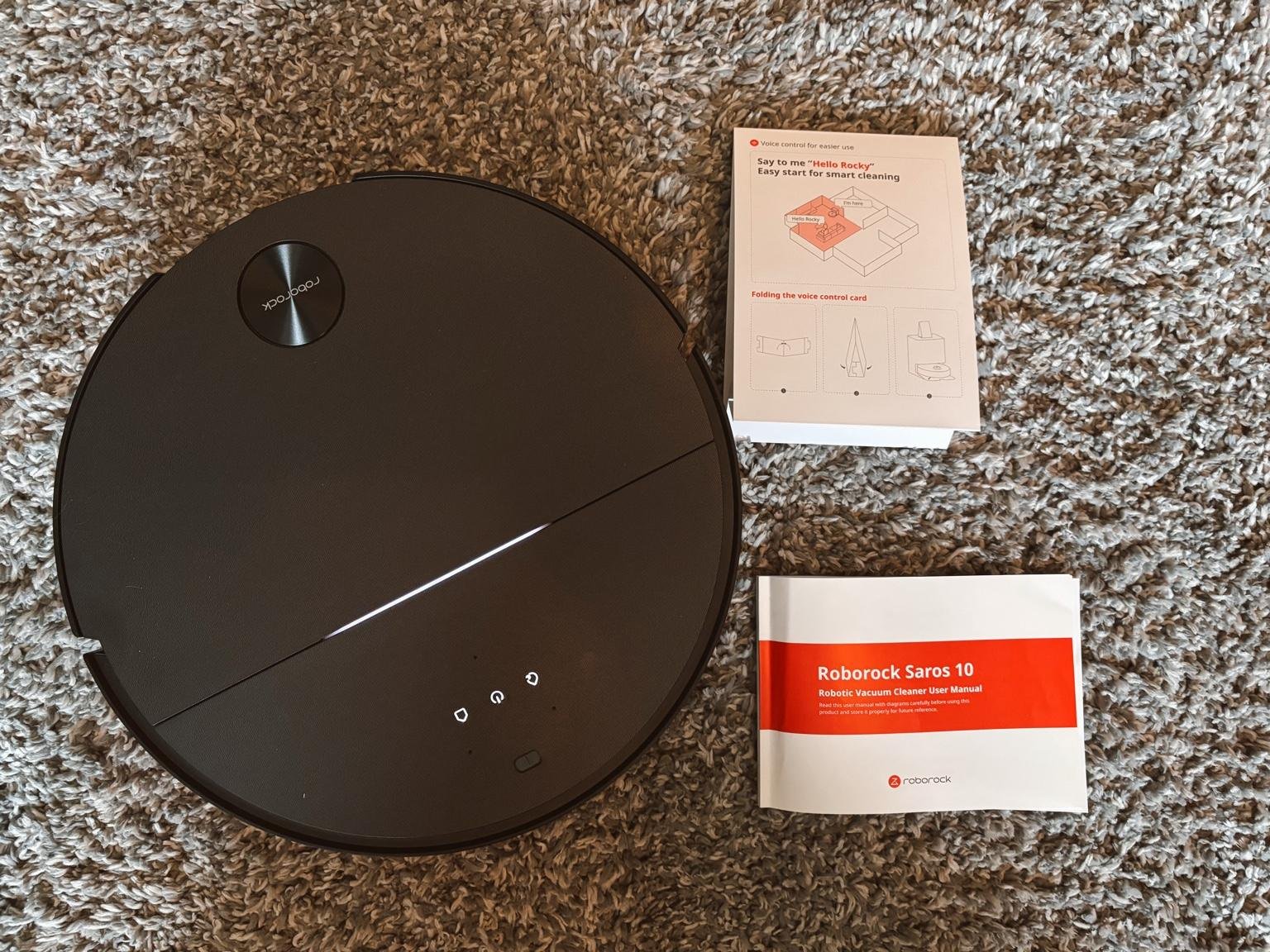
Updated: 3rd of April 2026
Transparency Matters: I received the Roborock Saros 10 free of charge for review purposes. However, my opinions are entirely my own (and my wife’s). As an Amazon Associate, I earn from qualifying purchases made through links on this site. I only recommend technology that genuinely works for our family in real-world conditions. Your trust is the foundation of this home.
The Roborock Saros 10 is one of the most impressive robot vacuums I have used. It is also one of the most expensive. Which means it has to do a lot more than look smart in an app and cruise around one perfect floor.
It has to work in a real family home. Mine certainly is.
We have four children, a dog, carpet, vinyl flooring, and the kind of everyday chaos that keeps a vacuum cleaner in permanent employment. I tested the Saros 10 in the middle of all that, not in ideal conditions, but in normal life. And that is exactly why this review matters.
Because while there is a lot to like here, I also found a few things that matter more in a British home than some reviews make out. Our houses are often smaller, more divided, and full of awkward room changes, thresholds, and mixed flooring. That is where a robot vacuum stops being a clever gadget and starts proving whether it is actually worth the money.
This is my honest experience of living with the Saros 10 day to day. The good, the impressive, and the parts that made me stop and think twice about the price.
I also had help from my wife, who runs a professional cleaning business here in Bristol. Her standards are extremely high, and her opinion carries real weight in this house. So when both of us notice the same strengths and the same weaknesses, I pay attention
Quick Verdict
The Roborock Saros 10 is one of the most impressive robot vacuums I have tested. It is smart, powerful, and genuinely useful in daily life, especially if you want strong carpet cleaning and premium automation with very little fuss.
What stops me from recommending it to everyone is the price. This is a serious investment, and while it performs beautifully in many ways, a more divided British home exposes a few limits that matter more than the marketing suggests.
In short:
Excellent on carpet and mixed flooring
Smooth, reliable navigation
Very good voice control
Mopping is good for maintenance
Expensive, and not ideal for every home
Where to buy: If you live in the US, the easiest and quickest way to buy the Roborock Saros 10 is usually through Amazon. You can check the latest price and availability here .
Where to buy (UK): If you are based in the UK, the easiest and quickest way to check current availability for the Roborock Saros 10 is through Amazon UK. You can check the latest UK price and availability here .
Why You Can Trust My Review
I have been testing consumer technology for more than a decade at Dapper & Groomed, from audio gear to smart home products. I do not test things in a lab or in a perfect studio setup. I test them in real life, where convenience, reliability, and everyday performance matter far more than marketing claims.
I also had help from my wife during this review. She runs a successful cleaning business here in Bristol, and her standards are much higher than mine when it comes to what actually counts as clean. Her feedback on suction, mopping, edges, and general day-to-day performance was genuinely valuable throughout.
How I Tested the Roborock Saros 10
I tested the Roborock Saros 10 in a real UK family home with busy rooms, mixed flooring, and the sort of daily mess that happens when you work from home, have children, and a dog. Downstairs, we mostly have carpet and vinyl flooring, which is a good test for suction, transitions, and how well a robot handles edges and thresholds.
I did not treat this like a quick unboxing test. I used it as part of normal life: scheduled cleans, spot cleans, and mop runs, then judged what it was actually like to live with day to day. My wife also runs a professional cleaning business, so her standards and feedback helped keep the testing honest.
I looked at setup and first mapping, carpet and rug performance, vinyl and hard floor cleaning, thresholds and room transitions, low furniture, pet hair, edges and corners, mopping on different surfaces, app usability, voice commands, and the day-to-day reality of owning something this advanced and this expensive.
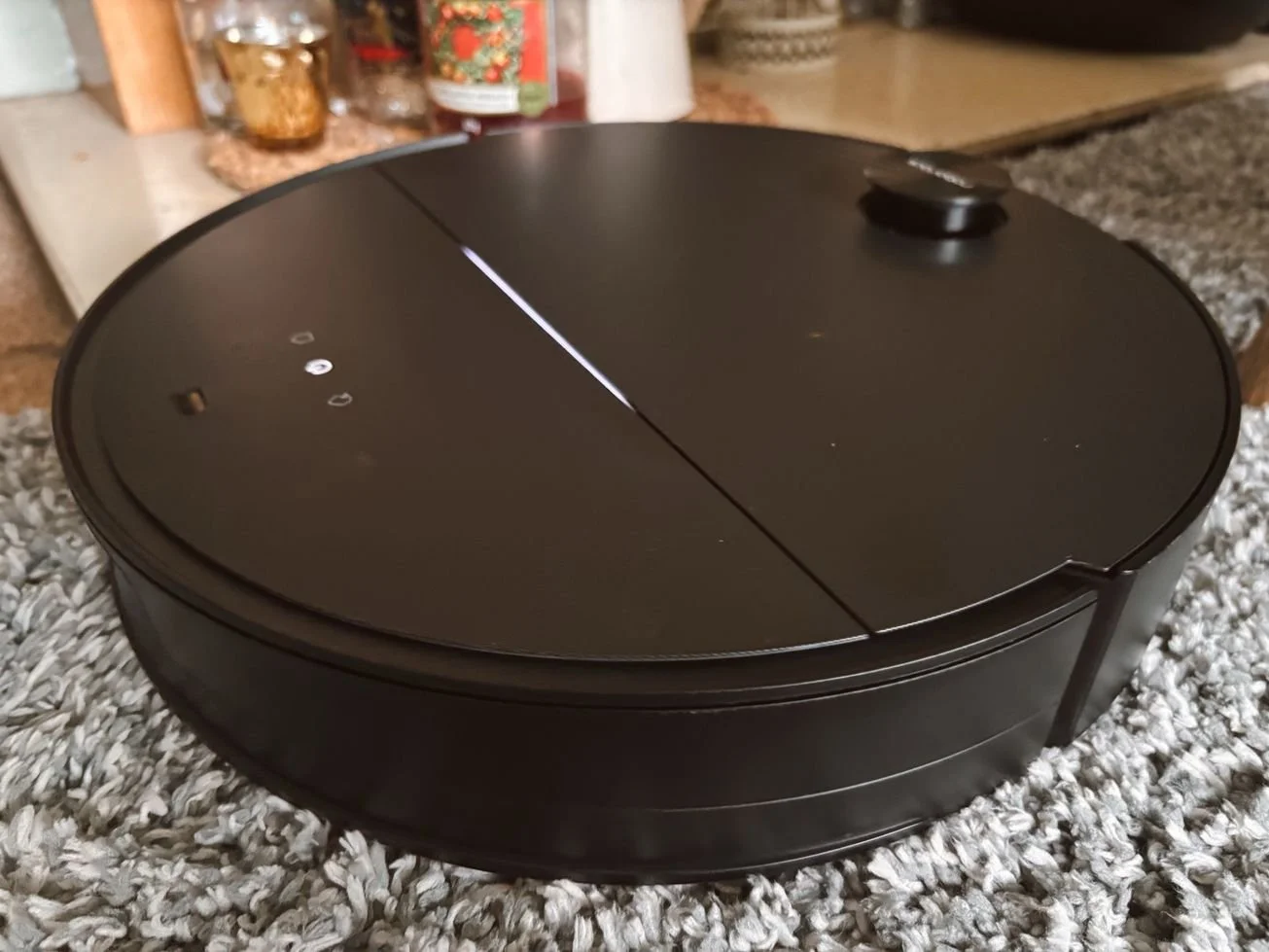
Roborock Saros 10 is perfect for a rug!
Unboxing, Setup and First Mapping
The first thing you notice about the Roborock Saros 10 is the weight of the box. This is not a lightweight gadget. It feels substantial straight away. Thankfully, Roborock has done a very good job with the internal packaging. Everything is well protected, clearly organised, and easy to follow.
Inside, you get large visual setup guides that make the whole process feel straightforward rather than intimidating. That matters on a product like this. When something is expensive, you want the first experience to feel smooth.
The dock is large, and in a UK home that is worth mentioning, but setup is simple. You fill the clean water tank, install the dust bag, connect everything, and you are more or less ready to go. Once the robot returns after cleaning, it empties itself into the dock automatically, which makes the whole system feel much more hands-off in daily life.
Wi-Fi pairing was quick, the app guided me through the process clearly, and within minutes the Saros 10 was ready to map the house.
And that is where real life matters. I live in the UK, where homes are often smaller, more divided, and less open-plan than many of the homes you see in marketing material. Ours has separate rooms, mixed flooring, and enough thresholds to make navigation more meaningful than it would be in one large open space.
The initial map of our downstairs was created quickly and was impressively accurate. We did not map upstairs. The Saros 10 is fairly heavy, and in real life I do not see us carrying it up and down the stairs regularly. For a product built around convenience, that matters.
From opening the box to running the first full vacuum cycle took about 10 to 15 minutes. For a product at this price, that is exactly what you want. Smooth setup, clear instructions, and no unnecessary friction.
Carpet and Rug Cleaning in a Real Family Living Room
To test the Saros 10 properly, I did not put it in a perfect room with nothing on the floor. I tested it in our real lounge, the one that actually gets lived in.
We have a low-pile carpet with a medium-pile rug on top, plus a fair amount of furniture: a coffee table in the middle of the rug, a dining table with benches and chairs, a sofa, my desk, a TV unit, and two console pieces. The room is not huge, and it opens straight into the hallway, so there are plenty of edges, legs, and obstacles to deal with.
The first time I started a vacuum run, I used voice command and let it clean for around twenty minutes. At first, I was not blown away. It was good, but it did not immediately feel like the wow moment you expect at this price.
Then I realised I had missed something.
Because the Saros 10 starts life with the mop attachment fitted, I assumed I would need to remove it myself for vacuum-only cleaning. In fact, the robot handles that automatically. Once I enabled the setting in the app, it removed the mop by itself for vacuuming and reattached it afterwards. It did it so smoothly I barely noticed. That was the moment the Saros 10 started to make a lot more sense to me.
From there, the vacuuming performance became genuinely impressive. It moves from carpet to medium-pile rug without hesitation, handles furniture well, and gets surprisingly far under low pieces. One of the cleverest design details is the way the LiDAR sensor lowers itself so the robot can slide under places like the TV unit and coffee table. It is smooth, methodical, and oddly satisfying to watch.
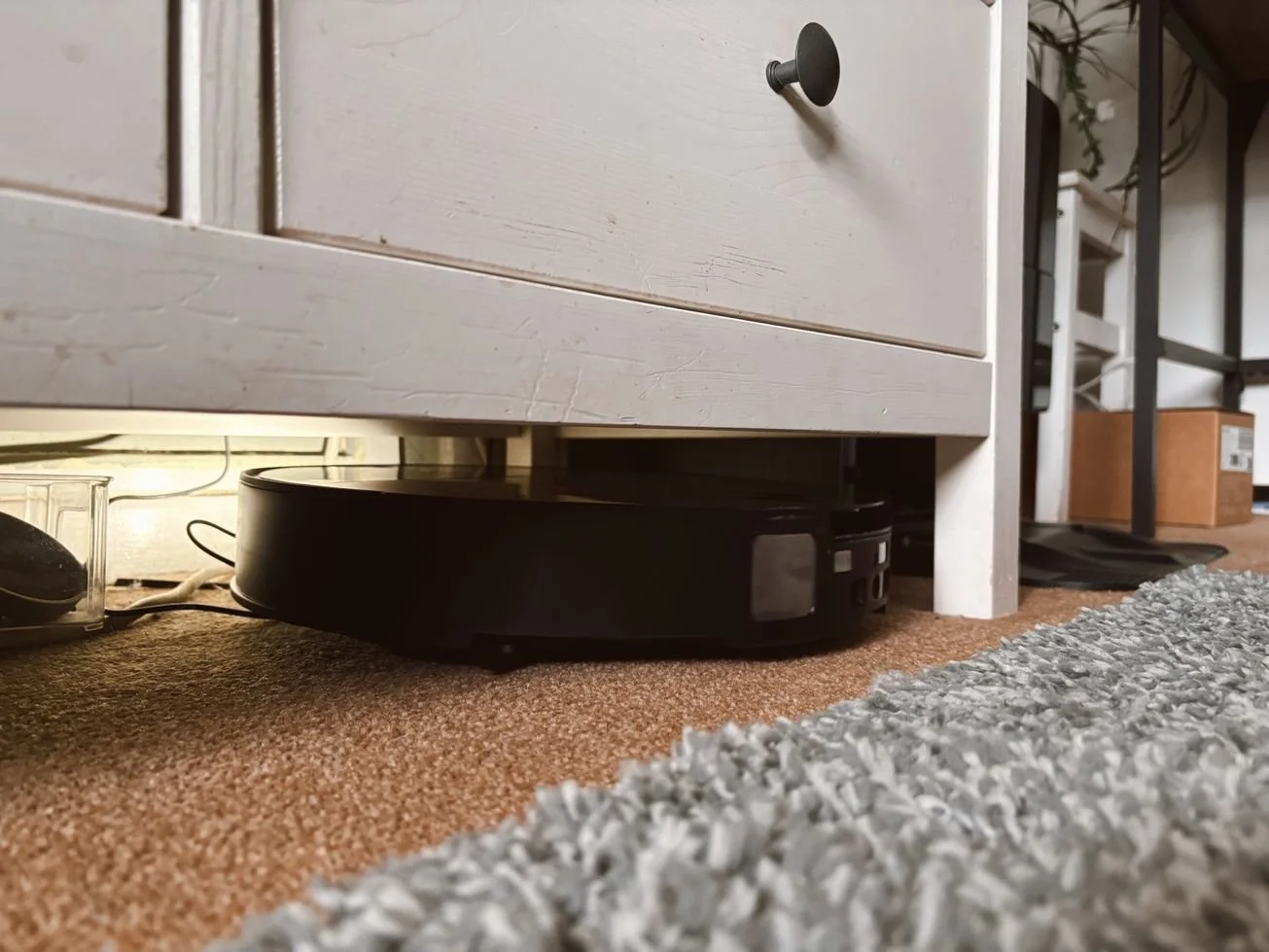
Under TV unit: no issues for the Roborock Saros 10
Pet hair was another real test. Our Cocker Spaniel, Marlow, leaves enough behind to make any vacuum earn its keep, especially around the rug and carpet edges. The Saros 10 dealt with that very well. The rug in particular looked and felt noticeably fresher after a run, as if it had actually lifted debris and hair rather than just glided across the top.
A few times it gently nudged Marlow when he was lying in one of his usual spots, and he looked deeply unimpressed. But overall, they seem to have reached a working relationship.
The most important opinion here, though, came from my wife. She runs a professional cleaning business and has seen plenty of robot vacuums in other people’s homes. Usually, she is not that impressed. In most cases, she still feels the need to go in afterwards with a proper vacuum. With the Saros 10, that was not her reaction. She was genuinely happy with the result, especially on the rug, and for the first time felt that an extra vacuuming session was not really needed afterwards.
That, to me, says a lot.
In our busy family home, with carpet, rug, furniture, and dog hair, the Roborock Saros 10 passed the vacuum test very convincingly.
Mopping: Smart Preparation and Real-World Results
The Saros 10 is not just built to vacuum. It is also designed to mop, and in a home with the same hard flooring throughout, I imagine that side of it feels very straightforward. In our house, with mixed flooring and smaller, more divided rooms, it is a bit more complicated. But that also makes the test more realistic.
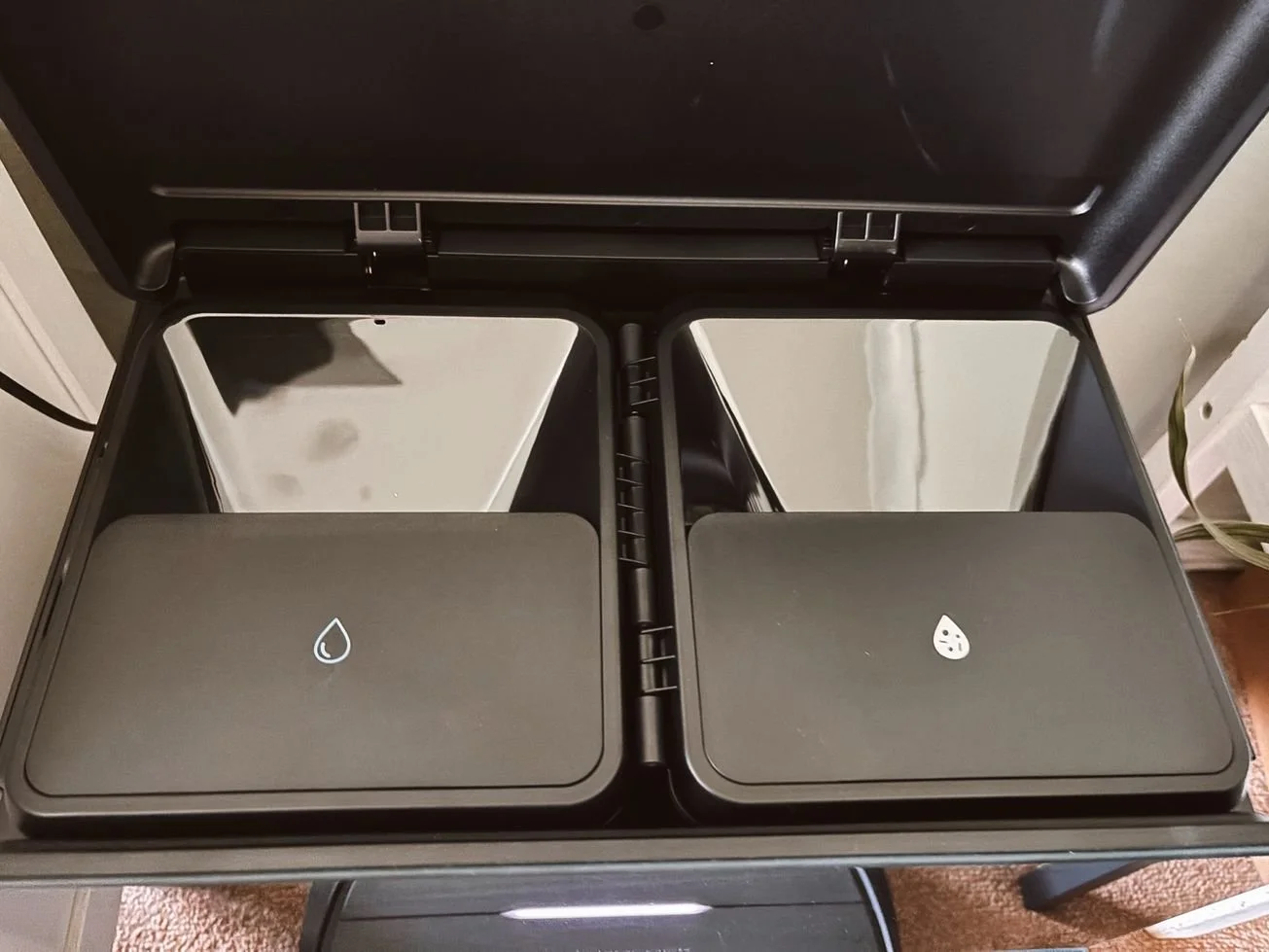
Clean and dirty water tank.
Inside the dock, you get a clean water tank, a dirty water tank, and a separate container for the cleaning solution. I like that the solution sits in its own compartment rather than being poured directly into the water tank. The system mixes the right amount automatically during cleaning, which feels reassuring on a product at this price.
It is worth noting that you cannot just pour in any floor cleaner you fancy. Robot vacuums are more sensitive than that, and anything too foamy can cause problems. For this review, I used one of Roborock’s recommended cleaning solutions, so I can only speak to that experience.
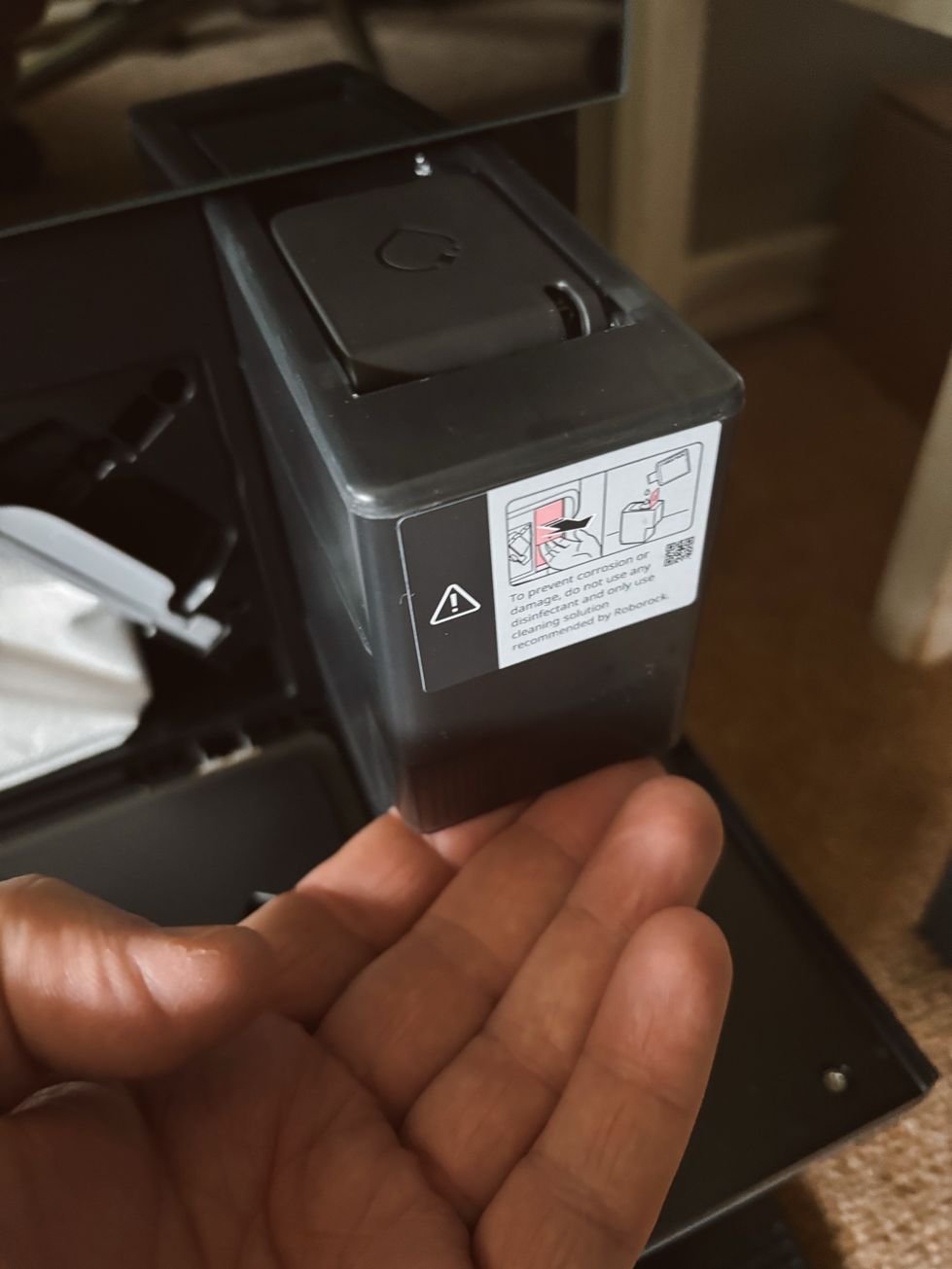
Cleaning solution container
The smart part is what happens next. Once I selected the kitchen for a vacuum-and-mop session, the Saros 10 vacuumed first, returned to the dock, had the mop module reattached automatically, washed and prepared the pad, then went back out to mop. All of that happened without me touching a thing.
That is what makes this system stand out. It is not just that it vacuums and mops. It is the way the dock and robot work together that makes the whole thing feel properly thought through.
Mopping results in our home
Downstairs, we have two different hard-floor areas. The corridor has standard vinyl flooring that looks like laminate planks. The kitchen is much more difficult. We are currently refurbishing, and the floor there is a harder safety-vinyl type surface that is not especially forgiving, even with a normal mop.
The first small bonus was the cleaning solution itself. The scent is fresh and pleasant without being overpowering, which helps the floor feel properly clean afterwards.
In terms of moisture, the Saros 10 gets the balance right. It leaves a sensible amount of water behind, not too wet and not too dry, and the floors dried fairly quickly afterwards. It never felt like it was soaking the surface.
I also liked the way it handled the kitchen rugs. It avoided them properly during mopping rather than dragging a wet pad across them, which is exactly what you want.
Corridor
On the hallway vinyl, the mopping worked very well. The floor looked clean, dried quickly, and had that fresh, just-mopped feel afterwards. My wife approved straight away, which always means more than my opinion alone. She also said that in a modern flat or home with laminate or vinyl throughout, this kind of mopping would keep the place looking consistently clean with very little effort.
Kitchen
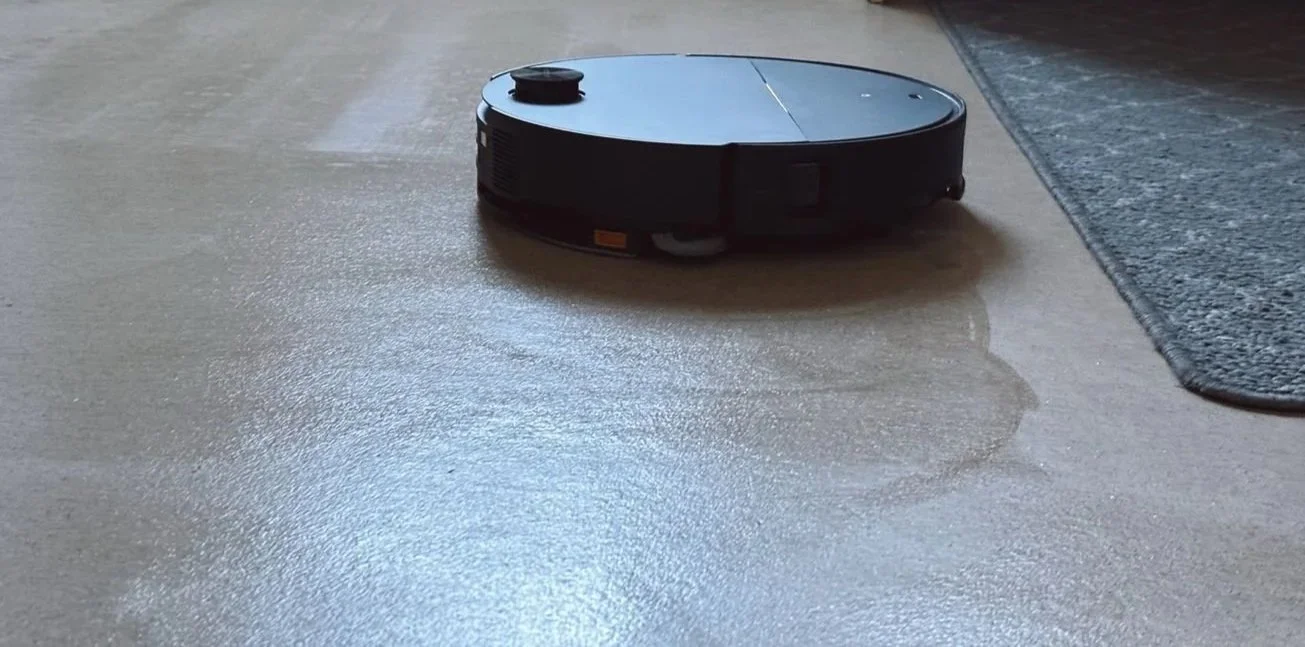
Roborock Saros 10 mopping the kitchen floor
The kitchen was always going to be the harder test, and it proved to be. Even so, the Saros 10 did better than I expected. It lifted a lot of marks and settled-in dirt that we deliberately left in place to see what it could do. It did not remove every stubborn stain perfectly, but to be fair, neither does a traditional mop on this type of flooring.
What it did do was make the kitchen look noticeably cleaner and fresher. It looked better maintained afterwards, and that matters in real life. My wife knew this floor would be a challenge, so the fact that she was still impressed says quite a lot.
So my conclusion on the mopping is fairly simple. It is not a miracle substitute for deep manual cleaning on difficult surfaces, but on normal vinyl or laminate-style floors it works very well. And for day-to-day upkeep, that is where most people will get the real value.
The Main Limitation (Especially in UK Homes)
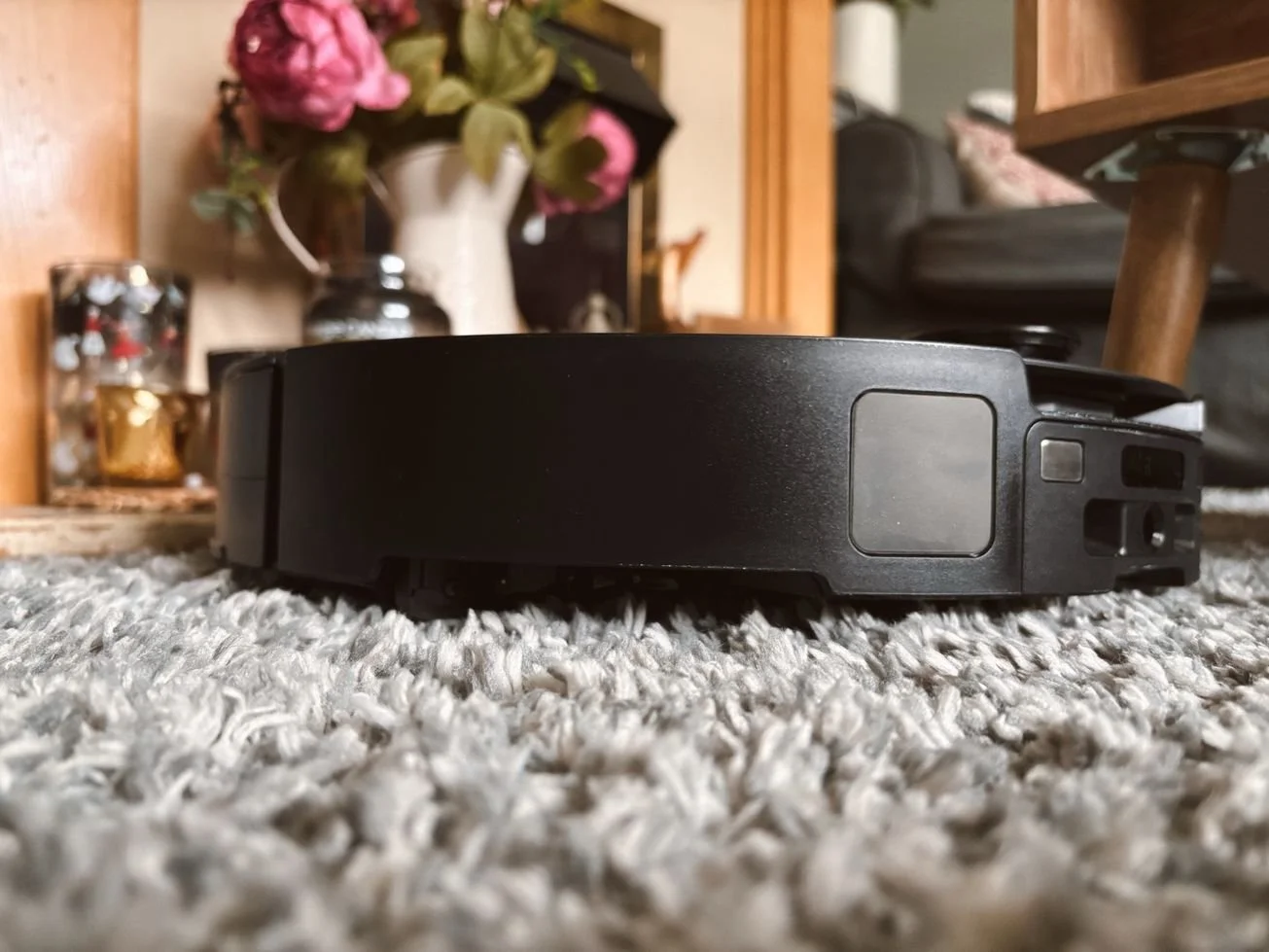
For us, the only real friction point comes down to house layout.
In a typical British home with upstairs bedrooms, the Saros 10 is not completely stress-free across multiple floors. The robot itself is fairly heavy, so if you want to clean upstairs, you have to carry it manually. That is not the end of the world, but it does take away from the low-effort appeal.
Vacuuming upstairs is possible, of course. But if the bin fills mid-clean, it cannot return to the dock to empty itself, so that part becomes manual. And when it comes to mopping, the limitation is even clearer.
Upstairs, the Saros 10 cannot return to the dock to reattach the mop, wash and re-wet the pad, mix cleaning solution, or empty dirty water. All of that automation only works when the robot can physically get back to its dock.
So yes, you can use it upstairs. But you lose the seamless experience that makes the system feel so impressive downstairs.
To me, this is the only real limitation of an otherwise excellent machine, and it is more about home layout than cleaning performance.
In an ideal world, Roborock would offer an optional second dock for multi-floor homes. That would make a lot of sense, especially in countries like the UK where stairs and divided layouts are part of everyday life.
Navigation, Mapping and Clever Design
One thing the Saros 10 does exceptionally well is map the house. It is extremely good at drawing a clear layout and dividing rooms properly, even in a more traditional British home with separate spaces rather than one big open-plan area.
And if the map is not exactly right first time, it is very easy to adjust in the app. You can edit rooms, rename them, and fine-tune the layout without any frustration. It feels polished and very easy to live with.
I also liked how quickly it updated the map when it came across things left on the floor. If it found a piece of furniture, an obstacle, or even something like cushions or pillows in the way, it added them to the map almost immediately. That is a genuinely useful detail, because it makes the whole system feel more aware of the home it is cleaning.
The cleverest design feature, though, is the LiDAR sensor. We have an IKEA TV cabinet with a very small gap underneath. At first glance, it looks like the Saros 10 should fit, but not with the LiDAR tower raised. Then, almost magically, the sensor lowers itself back into the body of the robot, and suddenly it can clean properly underneath. The first time I saw that, I was genuinely impressed.
It is one of those features that sounds small on paper, but in real life it makes a big difference. And more importantly, it works.
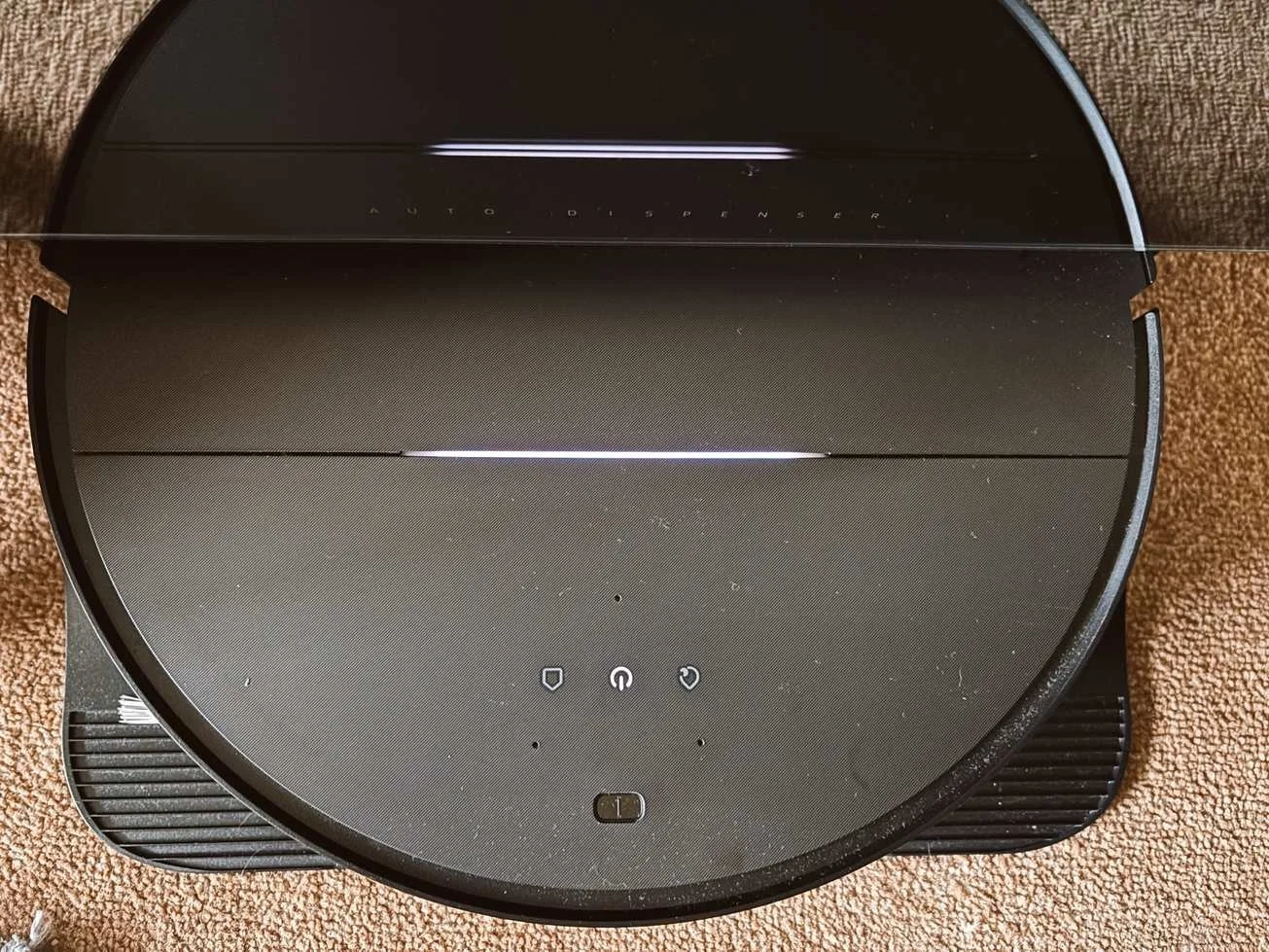
The App and Voice Command Experience
One thing I’ve learned after testing connected appliances for years is this: the app can make or break the whole experience. You can have brilliant hardware, but if the app is clunky or confusing, it drags everything down. So this is always something I pay close attention to.
Thankfully, Roborock has done a very good job here.
I tested the app on iOS, and it feels clean, intuitive, and properly thought through. From the home screen, you can immediately see your mapped layout, battery level, cleaning status, and routines. It feels polished, not like an afterthought.
The mapping side is especially good. You can divide rooms, create no-go zones, adjust suction and mopping intensity, schedule cleans, and set up routines for specific areas of the house. There is a lot here, but it never feels messy or overwhelming. Everything is logically placed, and even the more advanced settings are easy to find.
I was genuinely impressed by how much control the app gives you while still staying simple to use. It feels like a mature system, which is exactly what you want at this price.
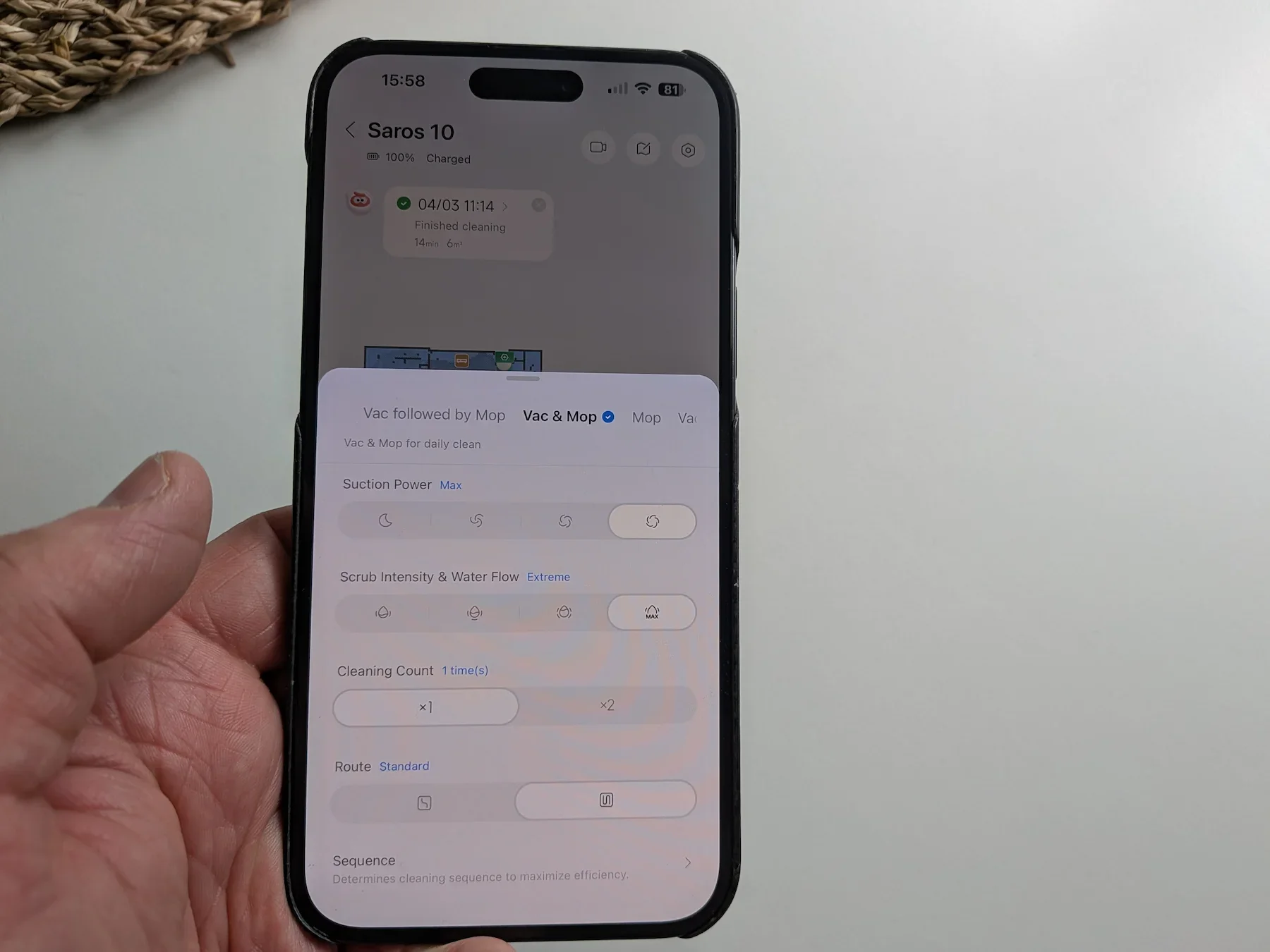
This is the Roborock app on an iPhone 15 Plus.
Voice Commands: The Biggest Surprise
Now for the part that surprised me most.
If you do not want to open the app, the Saros 10 has built-in voice control. And I do not say this lightly: it is the most reliable voice recognition system I have tested on any home tech device.
Yes, even better than Alexa, Siri, and Google Assistant in my experience.
The robot has its own wake word. You simply say, “Hi Rocky”, and it responds almost immediately.
From there, you can give direct commands like vacuum only, increase suction, stop cleaning, return to base, or recharge. What impressed me most was the accuracy. It understood me clearly, even with my French accent, which is not something mainstream voice assistants always manage particularly well.
It also responds quickly, without that awkward pause or hesitation you sometimes get with smart speakers. In daily life, that makes a real difference. Instead of reaching for your phone, you just speak and it reacts.
Honestly, the voice recognition ended up being one of the most surprising parts of the whole Saros 10 experience. It is not a gimmick. It genuinely makes the robot easier and nicer to live with.
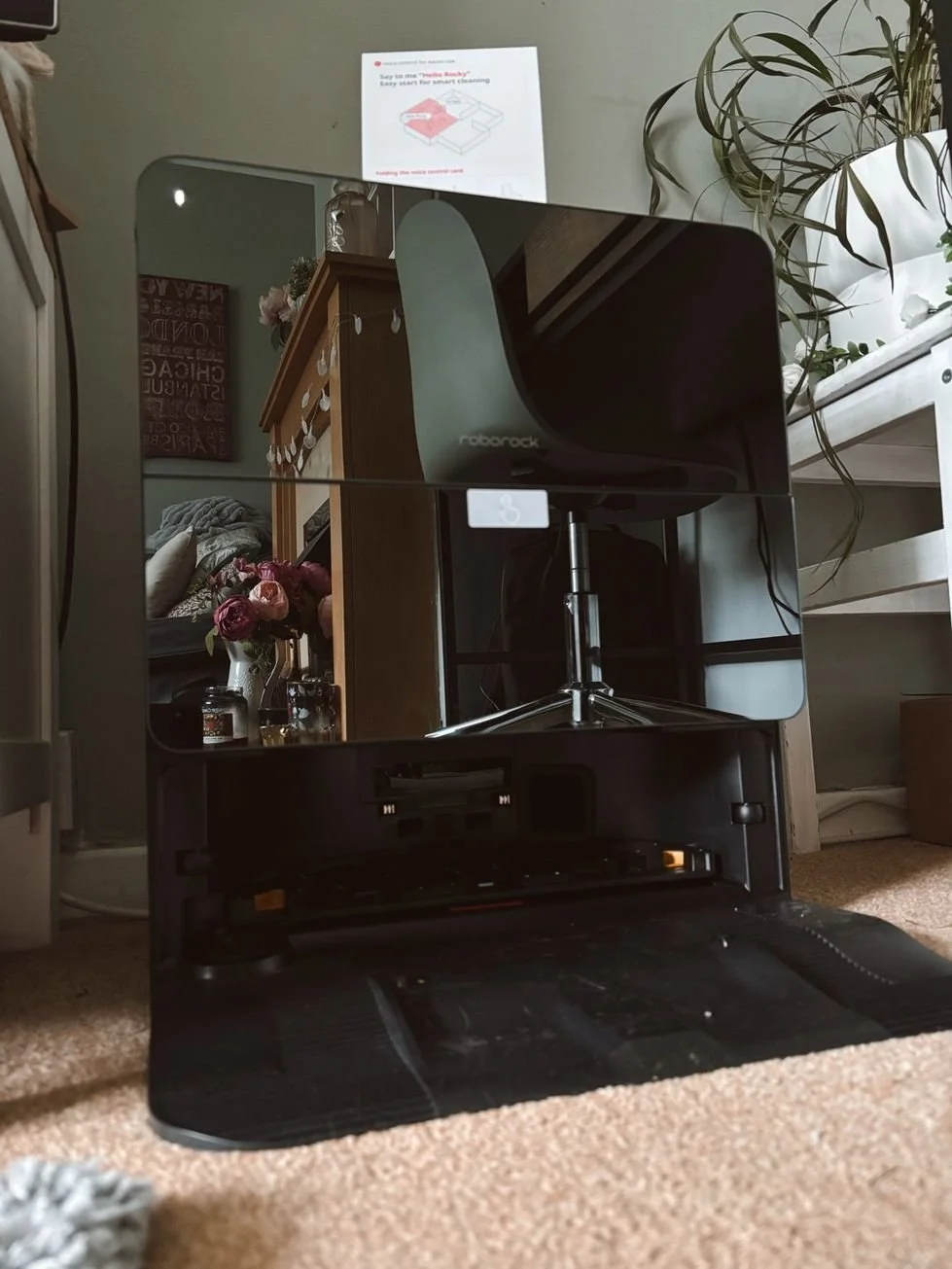
Roborock Dock Station.
Final Thoughts: Is the Roborock Saros 10 Worth It?
After living with the Roborock Saros 10 in our home, I can honestly say it is one of the most impressive robot vacuums we have tested.
There is a lot to admire here. The vacuuming performance is excellent, especially on carpet and rugs. The navigation is smart and smooth. The dock and robot work together in a way that feels genuinely advanced rather than gimmicky. And the voice control, which I did not expect to care about so much, ended up being one of the best parts of the whole experience.
My wife was impressed too, and that matters. She runs a professional cleaning business and is not easily won over by robot vacuums. Most of the time, she still feels the need to go back in afterwards with a proper vacuum. With the Saros 10, that was not really the case, especially on the rug and carpeted areas. That alone says quite a lot.
That said, I would not pretend this machine is perfect for every home. It is expensive, and in a more traditional British house with multiple floors, you do not always get the full benefit of everything it can do. Downstairs, where it can access the dock properly, it feels clever and almost effortless. Upstairs, that seamless experience starts to fade.
That is really the key point with the Saros 10. It is not just about whether it cleans well. It clearly does. It is about whether your home layout allows you to enjoy the level of automation you are paying for.
If you live in a modern flat, a mostly single-level home, or anywhere with consistent flooring and a fairly open layout, I think the Saros 10 makes a lot of sense. It feels premium, capable, and genuinely helpful in daily life. In that kind of home, I can absolutely see why someone would love it.
If, like me, you live in a more divided family home with stairs, mixed surfaces, and the usual British awkwardness of room layouts, it is still a very impressive machine. You just notice the compromises a bit more.
So, is it worth it? For the right home, yes. I think it absolutely is. But this is not a robot vacuum I would recommend blindly to everyone, and at this price, that honesty matters.
Final score in our home: 9/10
And in a more open, single-level home with mostly consistent flooring, I can easily see it being a 9.5/10 machine.
It is not perfect. But it is clever, capable, and in many ways genuinely excellent. For me, that is what makes the Saros 10 stand out.
Where to buy: If you live in the US, the easiest and quickest way to buy the Roborock Saros 10 is usually through Amazon. You can check the latest price and availability here .
Where to buy (UK): If you are based in the UK, the easiest and quickest way to check current availability for the Roborock Saros 10 is through Amazon UK. You can check the latest UK price and availability here .
Pros
Outstanding carpet and rug performance, even with pet hair
Excellent navigation and smooth movement around furniture
Automatic mop removal, washing, and reattachment is genuinely impressive
Self-emptying dock reduces daily effort
Best built-in voice control I’ve tested in home tech
Strong app experience and very easy to manage
Feels well made and properly premium
Cons
Heavy if you need to move it between floors regularly
Upstairs cleaning loses many of the dock-based automation benefits
Mopping is very good on standard floors, less convincing on difficult surfaces
Expensive, so the value depends on your home and your expectations
Needs reasonably clutter-free floors to work at its best
About the Author: Jerome
Jerome has been testing and reviewing consumer technology at DapperandGroomed.com for over 13 years. Based in North Bristol, his approach to tech isn't about lab specs—it's about how devices survive the chaos of a busy home with four children and a pet.
For this review, Jerome combined his decade-plus of tech experience with the professional insight of his wife, who runs a successful cleaning business in Bristol. This unique "Family vs. Professional" perspective ensures every review is grounded in real-world performance, durability, and a very high standard of "clean."