
SIVGA M260 Review: Wired USB-C Earphones Tested (2026)
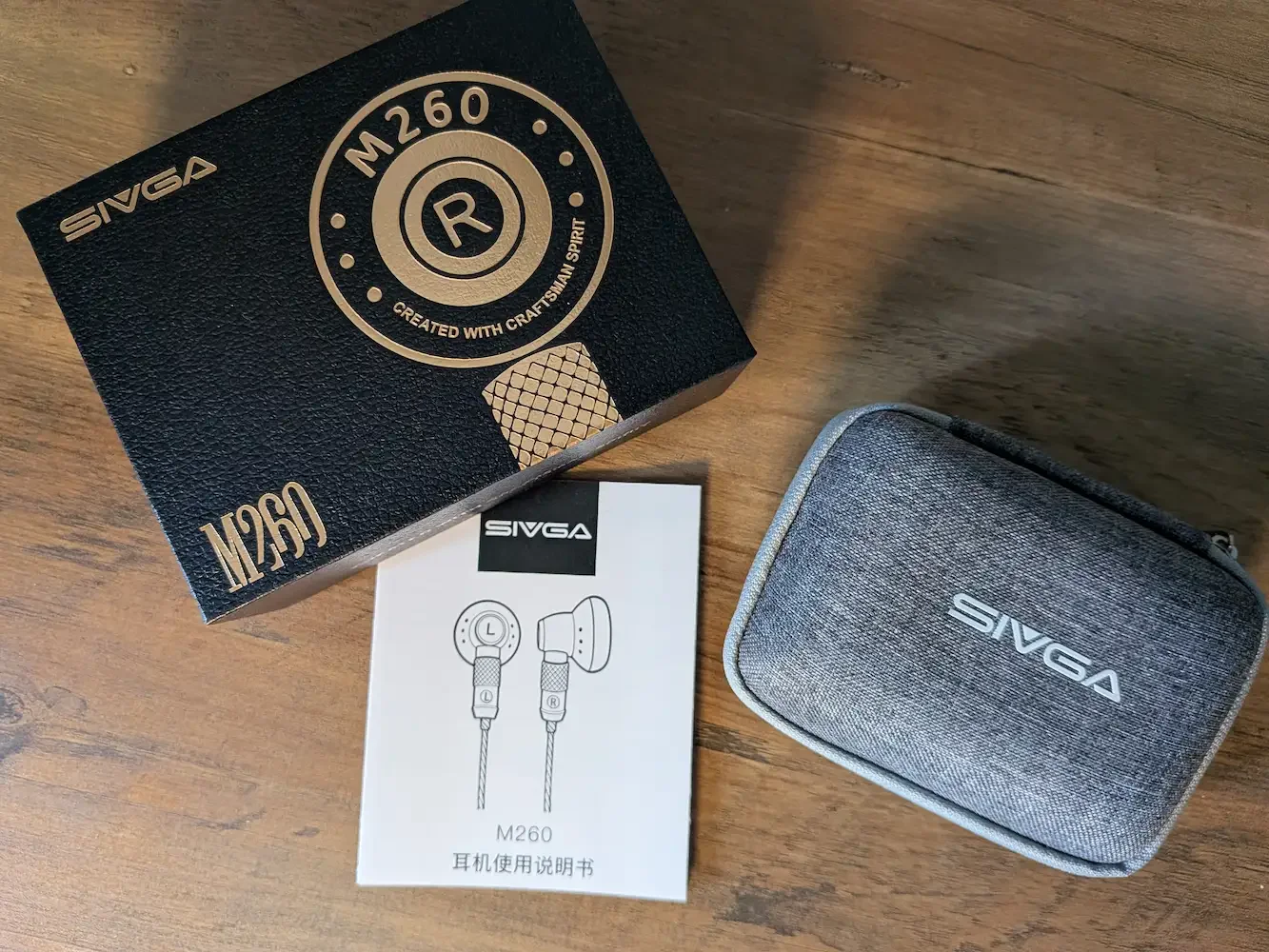
Disclosure: SIVGA kindly sent me the M260 USB-C wired earphones for review purposes. As always, they have not seen or approved this review before publication, and the opinions are my own. This post contains affiliate links. As an Amazon Associate, I earn from qualifying purchases.
Post updated: 16th of June 2026
Something interesting has been happening in my house recently. My 17-year-old daughter, and quite a few of her friends, have started moving away from AirPods and going back to wired Apple earbuds.
At first, I found it slightly odd. This is a generation that has grown up with wireless everything. No cables, no headphone jack, no patience for old technology. But the more I watched it happen, the more it made sense. Wired earbuds are simple. You plug them in, they work, and you do not have to think about battery life, Bluetooth pairing, active noise cancelling modes or accidental touch controls.
Then I tested the SIVGA M260 USB-C wired earphones, and it suddenly clicked.
There is something very satisfying about using a pair of earphones that simply does the job. No app. No charging case. No firmware update. No little voice telling you the battery is low halfway through a track. You plug the M260 into an iPhone, iPad, MacBook or USB-C Android phone, press play, and that is it.
The difference here is that the SIVGA M260 is not just a cheap pair of USB-C earphones. The USB-C version has a built-in Realtek ALC5686 DAC, which means the digital audio from your phone is converted properly before it reaches your ears. In real life, that matters. If you use a high-quality streaming service, wired earphones like these allow you to enjoy a cleaner and more direct signal without relying on Bluetooth compression in between.
And yes, I know the usual argument. Some people say most listeners cannot hear the difference between Bluetooth and wired audio. I understand the point, especially when you are walking down a busy street, listening casually in the background, or using a basic music stream. But after using the SIVGA M260 daily, I can hear a difference. More importantly, I feel a difference. The music feels more direct, more stable and less processed.
That is what surprised me most. I expected to test a simple pair of affordable wired earphones. Instead, I found myself enjoying music in a calmer, more deliberate way. After years of wireless earbuds, the M260 reminded me how good it can feel to plug in and just listen.
I am not saying wireless earbuds no longer have a place. Of course they do. I still use them, especially when I need active noise cancelling.But more and more, I now reach for the SIVGA M260 before my wireless earbuds..
So here is my real-world review of the SIVGA M260 USB-C wired earphones, tested with my iPhone and used as part of my normal daily listening routine.
SIVGA M260 — Scorecard
| Sound Quality | 9 / 10 |
| Comfort | 9.5 / 10 |
| Build Quality | 9 / 10 |
| USB-C Convenience | 9.5 / 10 |
| Lossless Listening Experience | 9 / 10 |
| Noise Isolation | 7 / 10 |
| Value for Money | 9.5 / 10 |
The SIVGA M260 USB-C is one of those products that feels simple in the best possible way. Excellent sound for the price, comfortable for hours, and the built-in DAC makes lossless listening effortless.
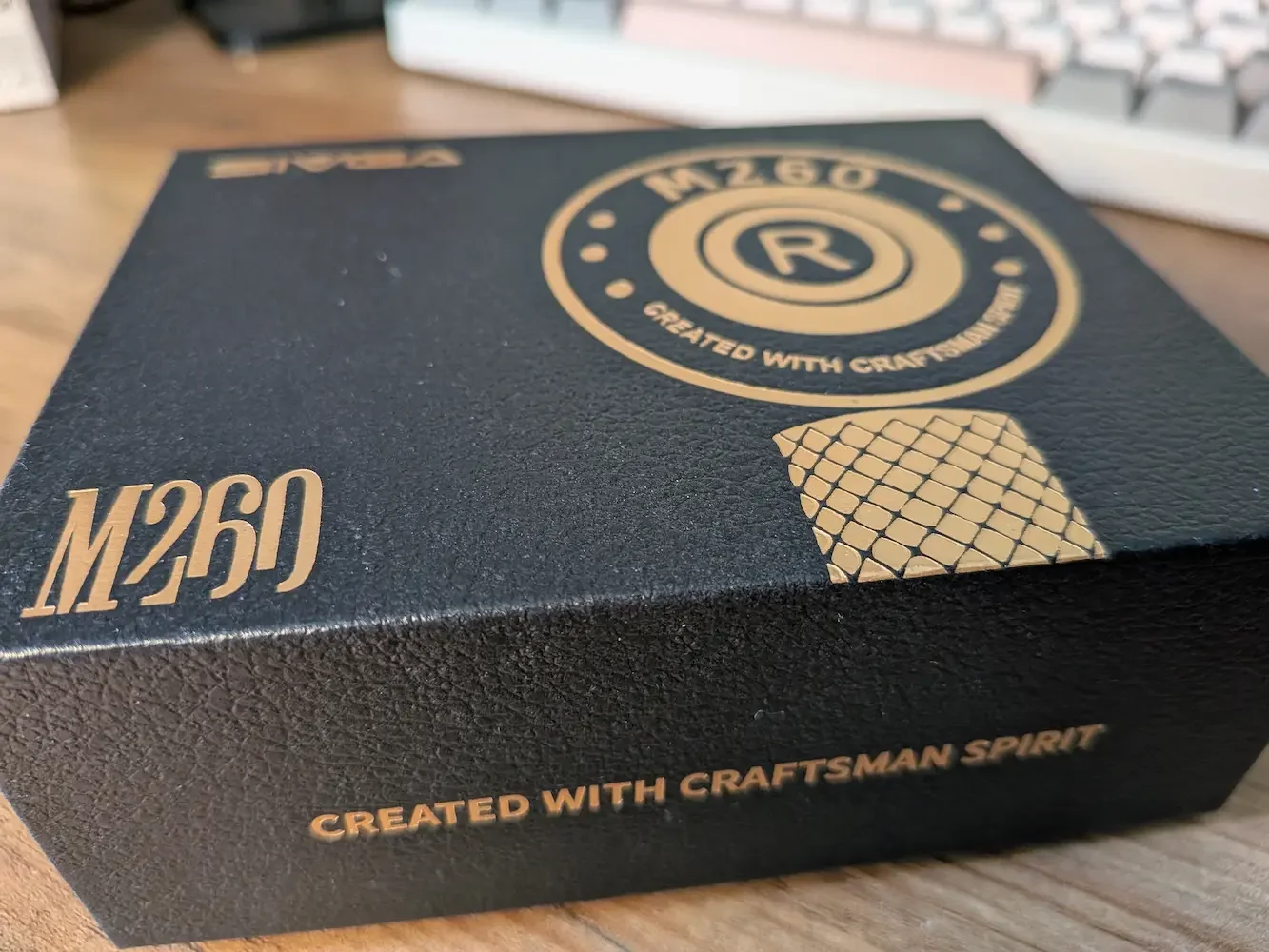
The design: when something looks the way it sounds
The M260 arrived and I spent a moment just looking at it before I even plugged in. That sounds odd, but stay with me.
The build quality stopped me. For £45 this is an exceptionally well-crafted object. The metallic finish has a solidity to it that you don't expect at this price point — no plasticky flex, no lightweight feel that makes you quietly worry about longevity. It feels like something made by people who care about what they're making, which — given that SIVGA designs and builds everything in-house — turns out to be exactly the case.
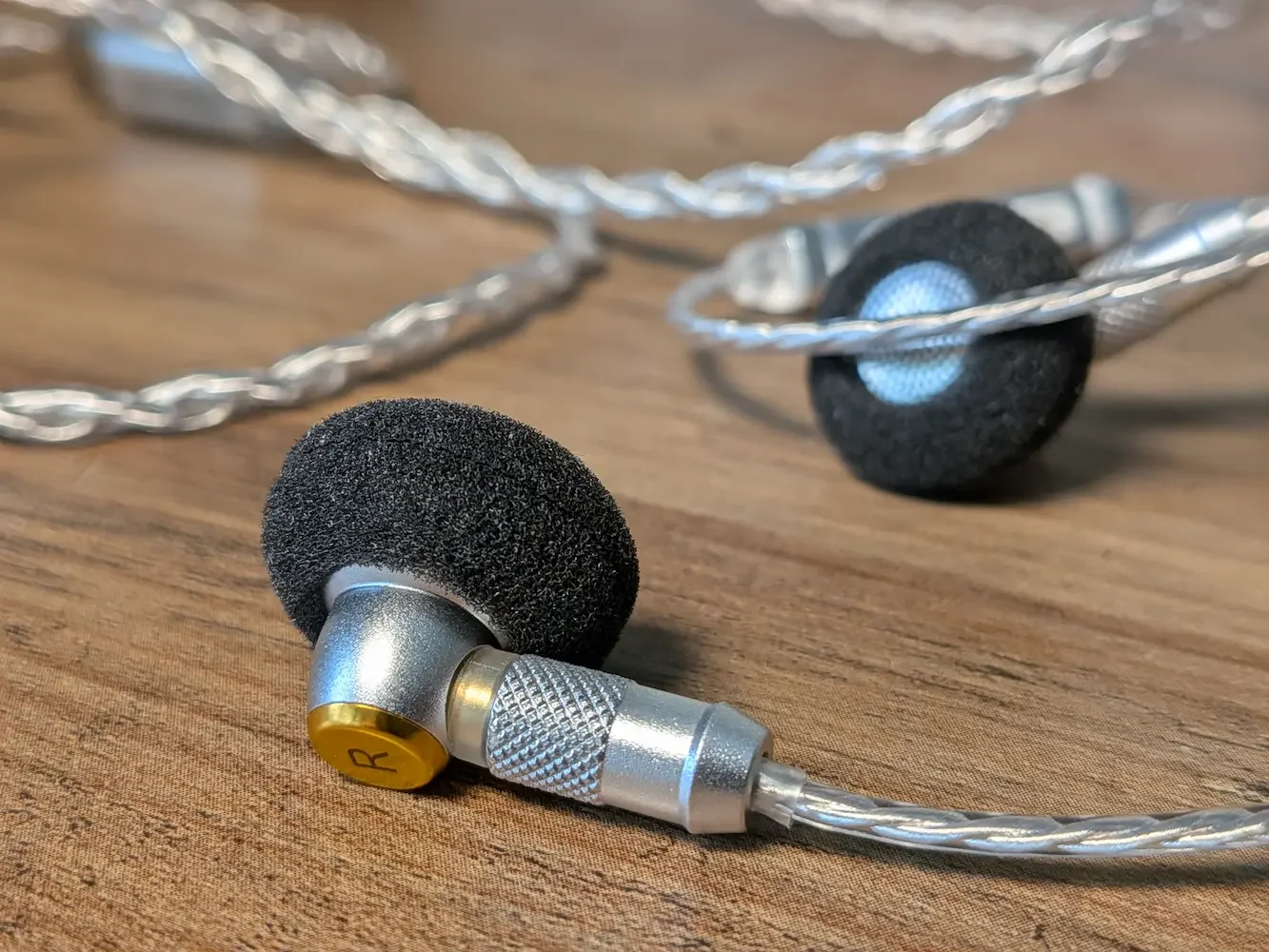
The SIVGA M260 has a classic flat earbud design with a silver cable and black foam covers.
The flat earbud shape immediately took me back to the white earphones that came in the box with an early iPod. That slightly clinical, purely purposeful design. No driver housing shaped like a spaceship. No aggressive silicone tip trying to create a seal deep in your ear canal. Just two small, beautifully finished flat discs on the end of a cable, sitting in your ear exactly as nature intended.
And here's something I didn't expect: I can wear them for hours without any discomfort whatsoever. That's not something I can say about most of my wireless earbuds, where the silicone tips start to create pressure and irritation after an extended session. The flat design distributes the contact differently and your ear simply doesn't fatigue. I've put the M260 in for an afternoon of work and genuinely forgotten they were there — in the best possible way.
The carry case that comes in the box deserves a mention too. It's a small Oxford fabric pouch, compact enough to slip into a jacket pocket, and genuinely cute in a way that feels considered rather than an afterthought. It's the kind of thing that makes you want to take the earphones out with you. Little details like that tell you a lot about a brand.
The cable itself is a 4N silver-plated OFC cable — high-purity oxygen-free copper with a silver plating that ensures clean signal transmission. The MMCX connectors are detachable, meaning if the cable ever wears out you can replace it without replacing the earphones. In an era of designed obsolescence, that's a quiet act of respect for the person buying them.
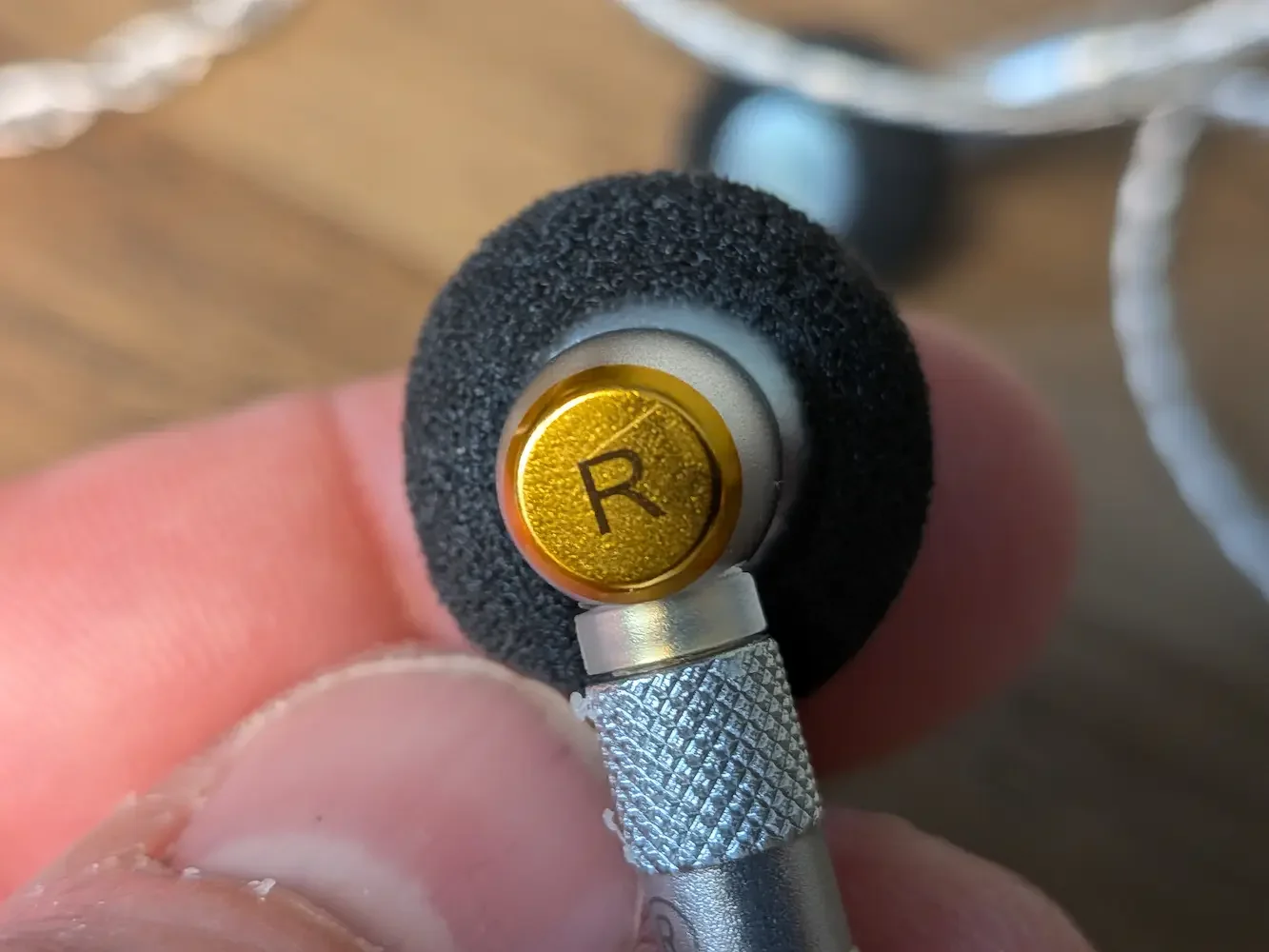
The gold and silver finish gives the M260 a distinctive look, especially for a wired earphone at this price.
How they actually sound
At the heart of the M260 is a 14.2mm dynamic driver with a copper-ring composite bio-diaphragm, a CCAW voice coil for faster transient response, and an N50 neodymium magnet for precise control across the full frequency range. The spec sheet reads impressively. The reality is better.
The sound is balanced without being clinical, warm without being soft, and spacious in a way that flat earbuds genuinely shouldn't be able to achieve. Vocals sit forward and clear — particularly noticeable on acoustic recordings and anything with real dynamic range. Bass is present and controlled rather than exaggerated for effect. It's the kind of tuning that rewards better source material, which is precisely what you want from something sitting at the end of a lossless audio chain.
Frequency response runs from 20Hz to 20kHz with 118dB sensitivity and 16Ω impedance, which means it drives easily from any modern phone without any need for additional amplification. No DAC amp on your desk. No dongle stack. Just the phone, the cable, the earphones — and music that sounds like the people who made it intended it to sound.
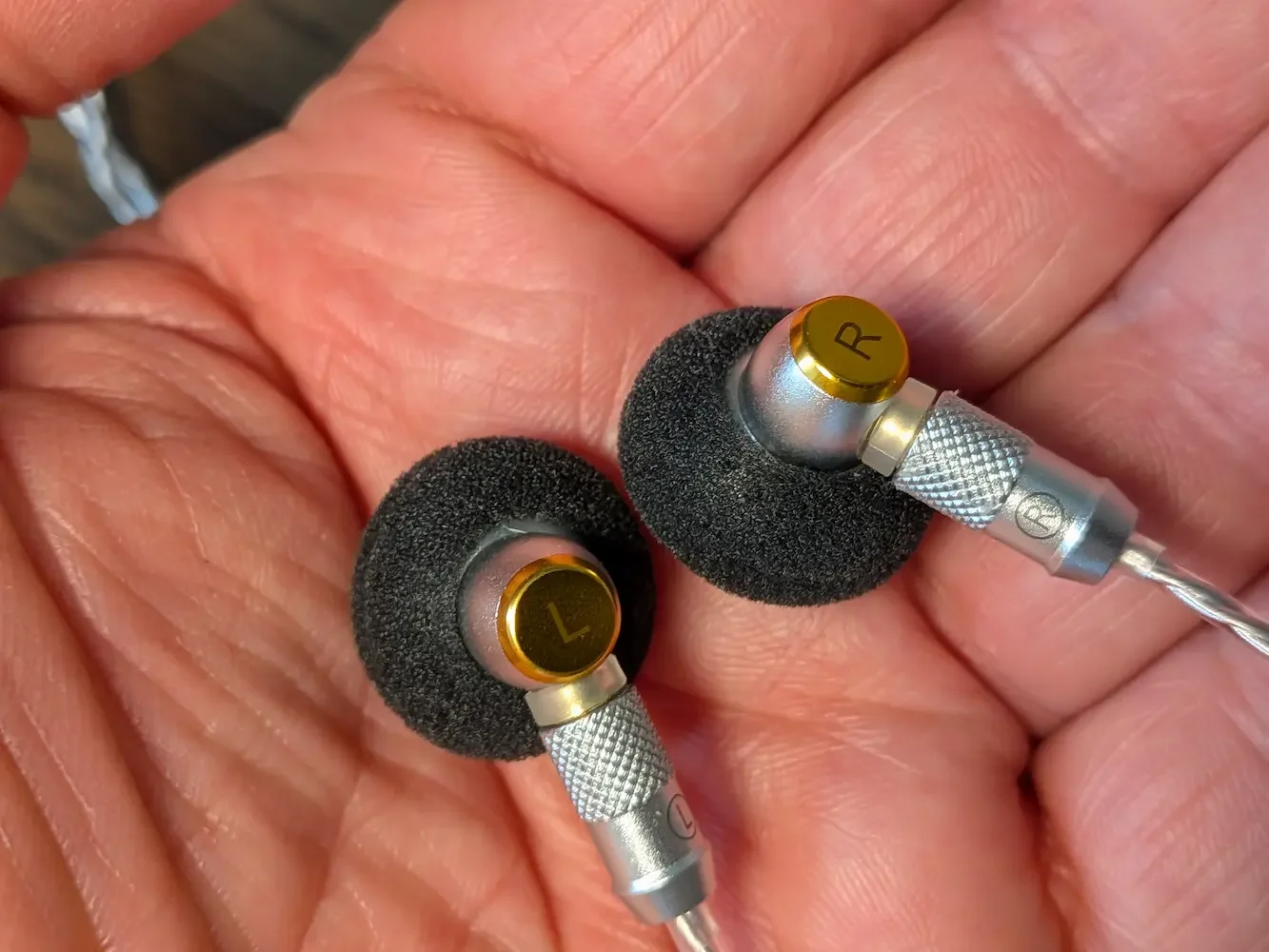
The M260 earbuds are compact, lightweight and easy to identify thanks to the clear left and right markings.
Who Should Buy the SIVGA M260 USB-C?
This is ideal if you use an iPhone 15, iPhone 16, USB-C iPad, MacBook or Android phone and want better sound without buying a separate DAC. It also makes sense if you miss the simplicity of wired earphones and want something better built than the cheap USB-C earphones usually sold online.
It Might Not Be For You If…
The SIVGA M260 USB-C is a wired earphone, and that is both its strength and its limitation. If you want active noise cancelling, transparency mode, app controls, multipoint Bluetooth, or the freedom to walk around without a cable, this is not the product for you.
The flat earbud design also means you do not get the same level of passive noise isolation as you would from silicone in-ear tips. I personally find this design more comfortable for long listening sessions, but if you mainly listen on busy trains, planes, or noisy streets, you may prefer something that seals more deeply in the ear.
And of course, there is the wire. I actually like that deliberate, plugged-in feeling, but I know some people will find it less convenient after years of true wireless earbuds.
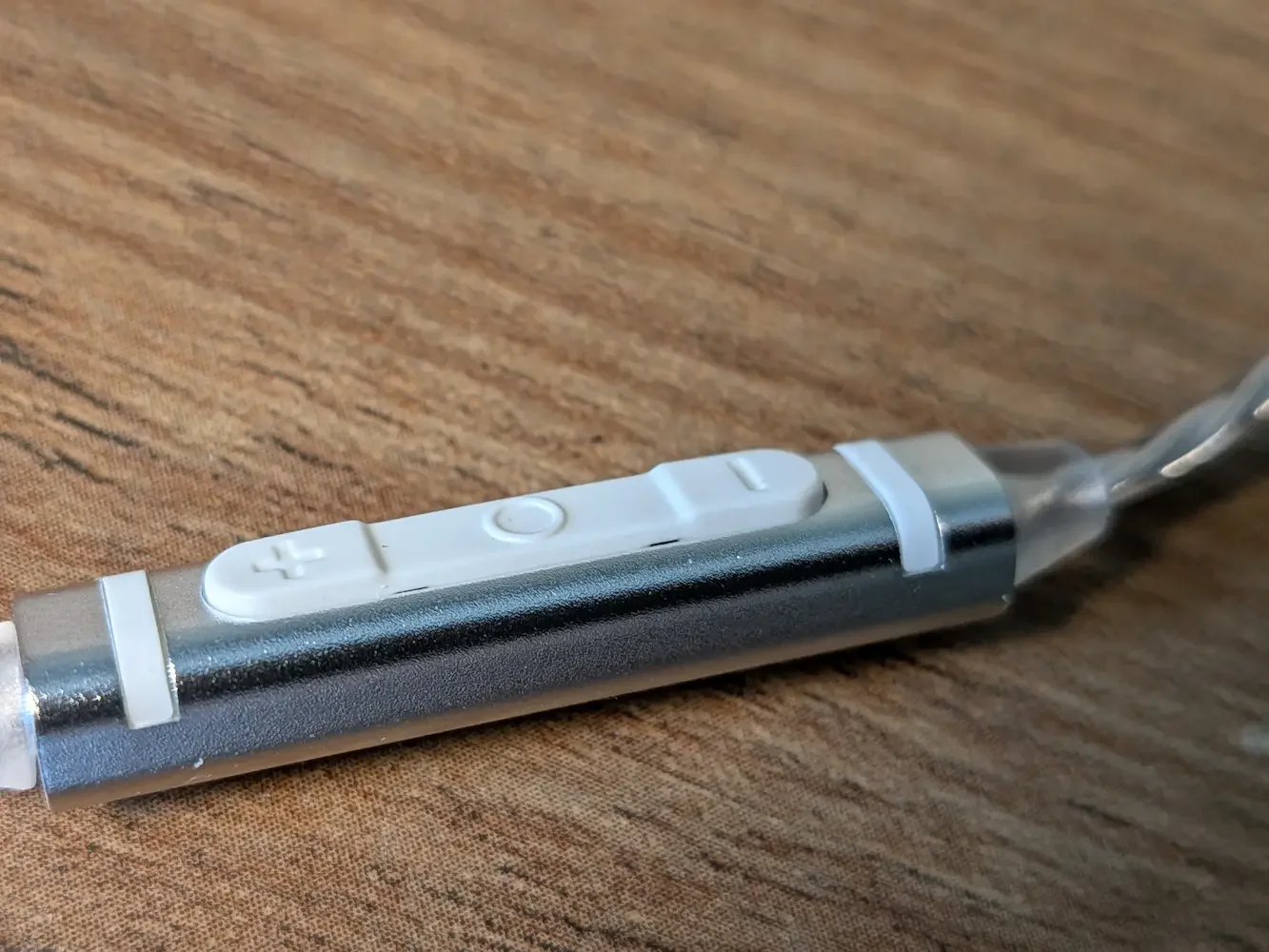
The inline remote gives you simple physical controls without needing to touch your phone.
The details
The SIVGA M260 is available in two versions: a 3.5mm version at £39.90 and the USB-C version I've been using at £45.00. Both come with four pairs of ear tips and that lovely little Oxford fabric carry case.
The USB-C version is the one I'd point you to without hesitation. The built-in Realtek DAC alone justifies the small price difference, and if you're on a modern iPhone or current Android device, you're getting genuine hi-res lossless audio from your pocket without buying anything else alongside it.
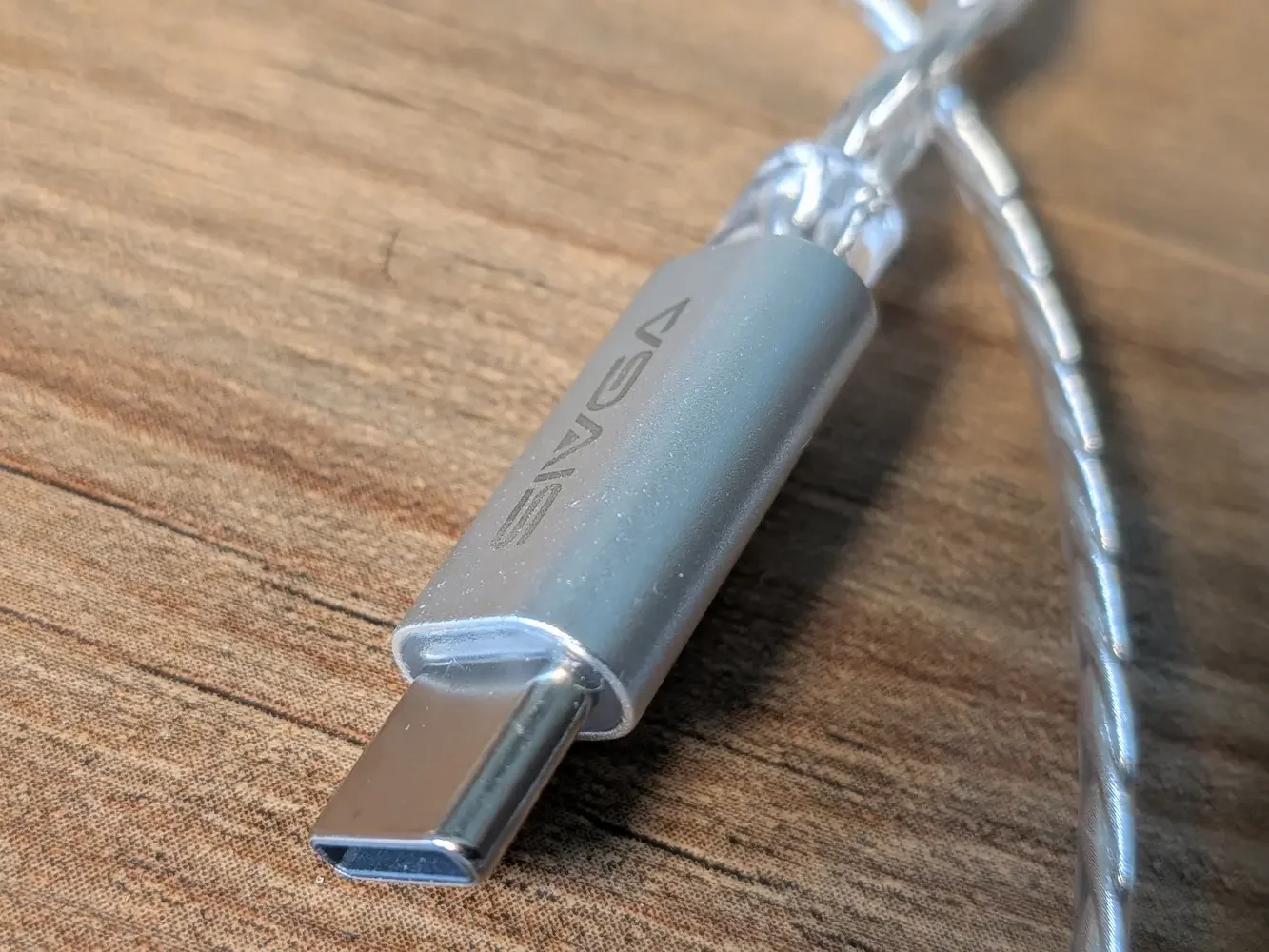
The USB-C version of the SIVGA M260 plugs directly into modern iPhones, iPads and Android phones.
-
Yes. The USB-C version works directly with any iPhone 15, iPhone 16, USB-C iPad, MacBook, or Android phone with a USB-C port. No adapter needed. The built-in Realtek DAC handles the conversion, so you get clean, lossless audio straight from your device.
-
Yes, absolutely. The price difference is small — around £5 — and the built-in DAC alone justifies it. If you're using a modern phone without a headphone jack, the USB-C version gives you genuine hi-res lossless audio without buying a separate DAC or dongle.
-
They're best for quiet environments — at home, at your desk, or on a quiet walk. The flat earbud design doesn't seal like silicone in-ear tips, so noise isolation is lower. If you mainly listen on busy trains, planes, or noisy streets, you may prefer something with ANC or better passive isolation.
-
At around $45/£45, most wireless earbuds use Bluetooth compression and spend part of their budget on batteries, charging cases, and wireless chips. The SIVGA M260 puts everything into driver quality, build, and the built-in DAC. The result is cleaner, more direct sound — especially with lossless audio. You lose the convenience of wireless, but gain noticeably better audio quality for the money.
Conclusion
The SIVGA M260 USB-C is not trying to replace every wireless earbud in your life. That is not the point. What it does is remind you how good simple wired listening can feel when the design, comfort and sound are handled properly. For $45/ £45, it feels considered, well made and genuinely enjoyable. More importantly, it made me want to sit down and listen again. That is probably the best compliment I can give it.
Why You Can Trust This Review
I spent over 20 years working in sound and lighting within the entertainment industry — that taught me how to quickly spot the difference between average audio and genuinely good sound. I've been reviewing headphones, earphones, and audio gear for over 12 years on Dapper & Groomed.
SIVGA sent me the M260 for review, but all opinions are my own and the brand had no input on this article. I tested these earphones daily with my iPhone as part of my normal listening routine — music, streaming, and focused listening sessions.
Jerome.
About the author: I'm Jerome, founder of Dapper & Groomed. I've spent the past 13 years testing and reviewing speakers, earbuds, headphones, skincare products, fragrances, grooming products, and men's lifestyle gear on this blog and on my YouTube channel. My reviews are never approved or previewed by brands — just honest, real-world testing from a dad who's been at this since 2013.

I tested the Charmast 20000mAh Power Bank with my iPhone 17 and MacBook Air. Here’s how its built-in cables, battery and 20W charging perform.