
How to Shave and Trim Your Butt Hair: A Complete Guide for Men
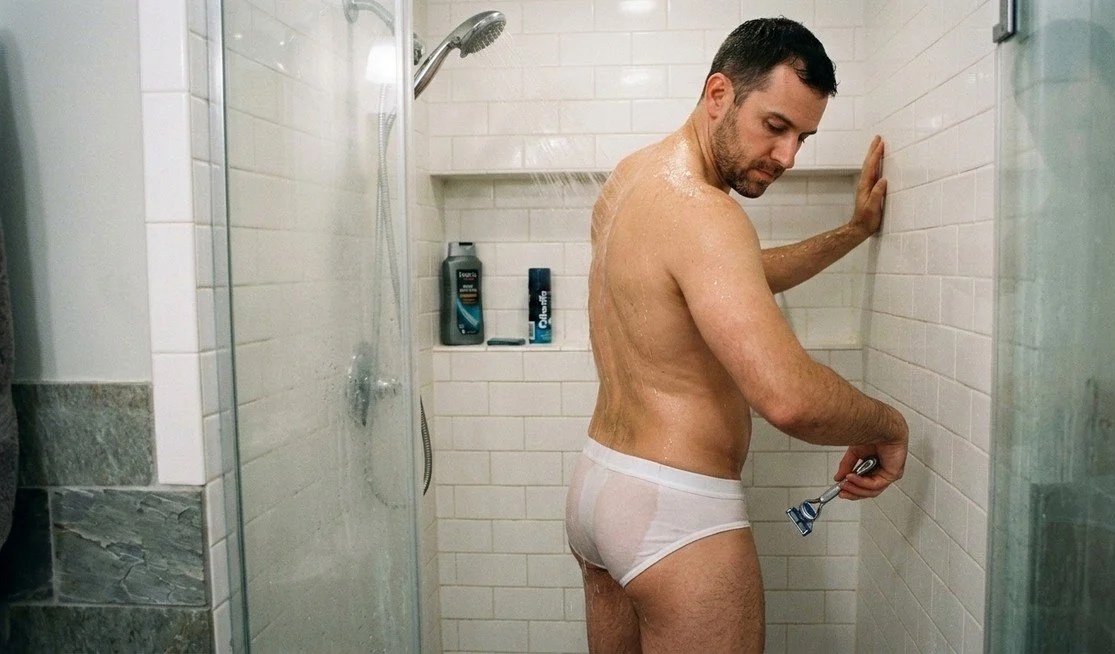
I'll be upfront about something that most men in their forties discover quietly and mention to nobody: getting older means more hair in places you didn't expect. The back, the ears, the nose — and yes, the backside. I'm 52 now. The hair on my butt that barely existed in my thirties is present enough in my fifties that I deal with it regularly as part of my grooming routine. Not dramatically, not with any particular anguish — just as a practical reality of being a man at this stage of life.
So I trim my butt hair. I use an electric trimmer, no guards, directly against the skin. And I shave around and across the butt hole itself with a razor. I've been doing both long enough that the process is entirely routine — a few minutes in the shower, unremarkable, done.
What follows is how I do it, why it's worth doing, and the technique that makes it safe and straightforward rather than awkward and stressful.
Why Bother?
Hygiene is the primary reason, and it's a genuinely compelling one. Hair in the gluteal cleft — the crease between the buttocks — traps moisture, warmth, and the residue from going to the toilet in ways that are uncomfortable to think about but worth thinking about. The practical result is that men with significant hair in this area are working harder to maintain basic cleanliness than men without it, regardless of how careful they are.
Remove or significantly reduce the hair and the hygiene equation changes immediately. Wiping is more effective. The area stays drier between showers. The general sense of freshness in that region improves noticeably — an improvement you feel particularly after exercise or in warm weather.
There's also a comfort dimension that matters more than most men expect. Hair in the gluteal cleft can cause chafing, particularly during physical activity. Running, cycling, gym sessions — any sustained movement can turn that hair from a neutral presence into an active irritant. Removing it eliminates the problem entirely.
What You're Actually Dealing With
The area divides naturally into two zones, and they require different approaches.
The butt cheeks and the gluteal cleft — the broader surface area and the crease — respond well to an electric trimmer used without a guard. The hair here tends to be fine to medium, the skin is reasonably flat and accessible, and the trimmer handles it quickly and safely without any particular complexity.
The perianal area — the skin immediately surrounding the bum hole — is a different proposition. The skin is more sensitive, more folded, and in closer proximity to a mucous membrane than anywhere else you'll groom. This area benefits from the closer, smoother result that a razor provides, but it requires patience, good positioning, and the same tension technique that makes scrotal shaving safe.
Understanding which tool serves which zone, and why, makes the whole process logical rather than intimidating.
Preparation
Shower first, in warm water. This is more important for this area than almost anywhere else, for a straightforward reason: you want the skin clean, the hair softened, and the muscles relaxed before you start. Tense muscles in the gluteal area make positioning harder and create more pronounced folds in the perianal skin. Warm water and a few minutes of a normal shower solve both problems.
Good lighting and a mirror are more important here than in any other grooming zone. You are working on an area you literally cannot see without assistance. A large mirror propped at an angle, or a hand mirror, is not optional — it's the difference between working with visibility and working blind. Set this up before you start rather than improvising once you're mid-process.
Trimming the Butt: My Approach
For the hair on my butt cheeks and down into the cleft, I use an electric trimmer with no guard attached — blade directly against the skin. This gives the closest possible trimmer result without the maintenance demands of shaving, and in this area it produces a result that is effectively smooth to the touch while being quicker and lower-risk than a razor.
The technique: work in good light, using your free hand to stretch the skin gently as you move through the cleft. The gluteal cleft in particular has folds that benefit from the same principle as scrotal shaving — a taut surface is a safe surface. Move the trimmer slowly and methodically, using short strokes rather than long sweeping passes. No downward pressure. Let the blade do the work.
Work through the cheeks first — straightforward and quick — then take your time through the crease itself. Rinse the blade regularly. The hair in this area can clog the trimmer faster than you'd expect, particularly if you're starting from a longer baseline.
The result with no guard is close enough that the area feels smooth and clean without the regrowth stubbiness that comes with guarded trimming. It's the right tool for this zone.
Shaving the Butt Hole: Step by Step
This is the section most guides either skip or handle so vaguely as to be useless. I'll be direct.
The perianal area shaves cleanly and safely with a standard razor when the technique is right. The technique is right when you understand three things: positioning, tension, and patience. All three matter equally.
Positioning. You need to be able to see what you're doing and reach the area with a reasonable degree of control. In the shower, one foot raised on the edge of the bath or a shower step works well for most men. Standing with legs slightly wider than shoulder width and bending forward slightly is the alternative. Use your mirror. Find the position that gives you visibility and a steady hand before you start the first stroke.
Tension. The perianal skin has folds and creases that a razor will catch if you don't account for them. With your free hand, use one or two fingers to stretch the skin around the area you're working on before each stroke. Flat, taut skin is safe. Creased skin is not. This is the same principle as scrotal shaving — tension first, every single time, without exception.
Patience. This is not an area where speed is rewarded. Work in small sections. Short strokes of two centimetres maximum. No pressure — the razor moves under its own weight. Rinse after every two or three strokes. Check your work in the mirror between passes.
Shave with the grain of the hair growth. The perianal area is, if anything, more reactive than the scrotum to against-the-grain shaving. The marginal closeness gain is not worth the irritation and ingrown hair risk. With the grain, consistently.
Take particular care at the immediate perimeter of the bum hole itself. Short, very light strokes. Maximum tension. Maximum patience. Done correctly, this is entirely comfortable. Done in a hurry, it isn't.
Aftercare
Rinse thoroughly with cool water when you're done. Pat dry — never rub — with a clean towel. The perianal area in particular benefits from gentle handling immediately after shaving.
Apply a fragrance-free, alcohol-free balm or moisturiser to the shaved and trimmed areas. This matters more than most men expect: dry skin in this area after grooming leads to tightness and itching as the hair begins to regrow, and a light moisturiser applied while the skin is still slightly damp largely prevents it.
Loose underwear for the rest of the day reduces friction on freshly groomed skin and makes a noticeable difference to comfort. This is a small detail with a disproportionate effect.
How Often
The trimmed areas — butt cheeks and cleft — I address roughly once a week. The shaved perianal area needs attention every three to four days, similar to the scrotal shave, to prevent the regrowth stubble that causes itchiness and friction.
Once the routine is established it adds perhaps five minutes to a normal shower. The anxiety of the first few attempts dissolves quickly once you've done it two or three times and realised there's nothing alarming about it. It becomes just another part of the routine — quiet, quick, and noticeably worth doing.
A Note on Why Men Don't Talk About This
Perianal grooming is the last frontier of men's body hair conversation. Men will discuss chest hair, ball shaving, even back hair without too much discomfort. The butt hole remains oddly taboo — despite being, hygienically and practically speaking, one of the most compelling areas to groom.
I think part of what dapperandgroomed.com is for is having these conversations plainly. The men who groom this area — and there are more of them than the silence suggests — know that it makes a genuine difference. The men who haven't tried it deserve an honest account of why it might be worth doing and how to do it safely.
The right trimmer makes all the difference down there — especially in the zones where mistakes hurt most. See the body hair trimmers we've tested and trust.
Jerome
A practical guide to pubic hair styles for men — from natural trim to full shave. Tools, maintenance, pros and cons, and aftercare advice from a former pharmacy assistant who's tried most of it.