
How to Trim or Shave Your Balls Safely: Step-by-Step Guide
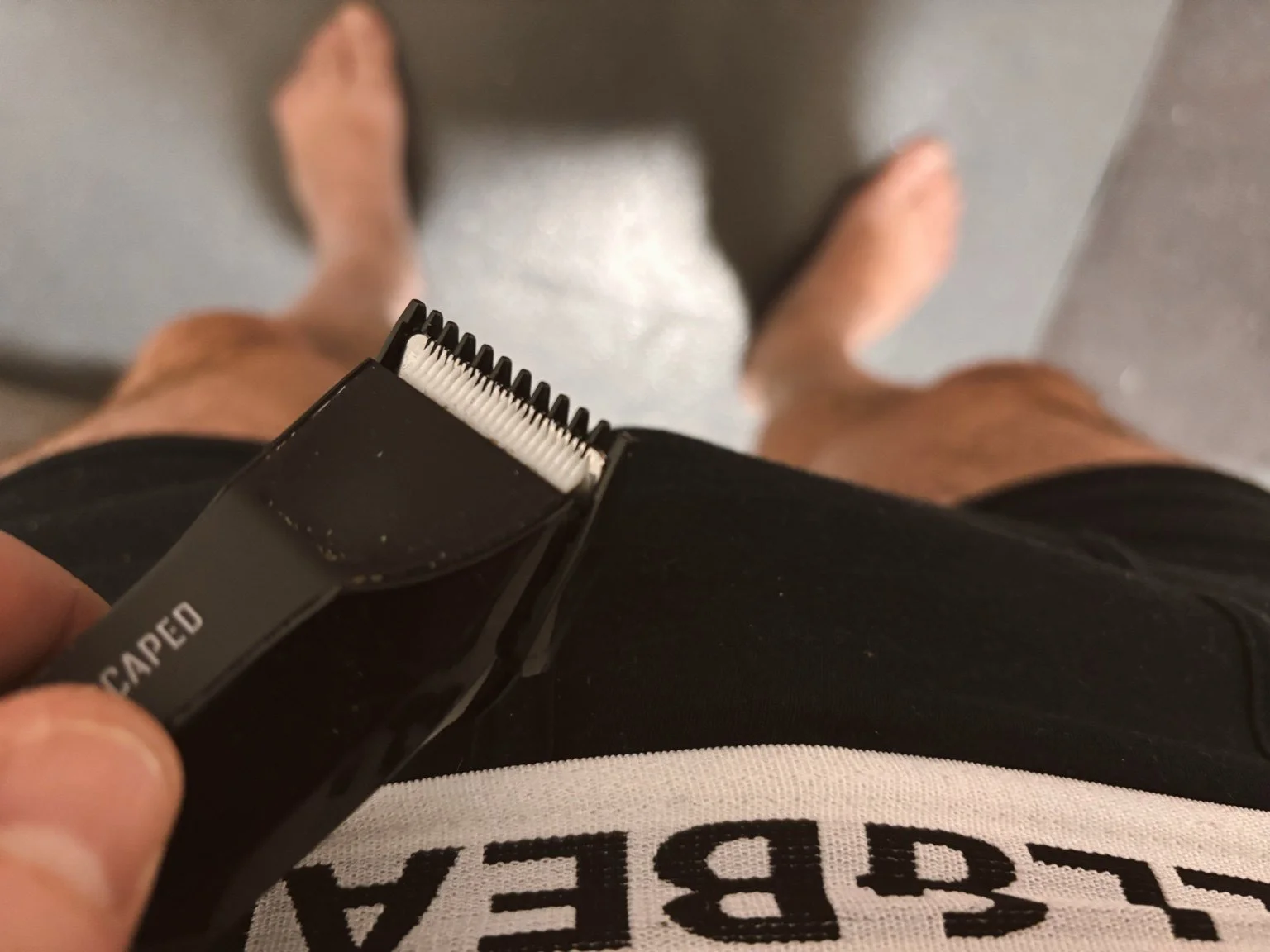
This guide contains affiliate links. As an Amazon associate I earn from qualifying purchase.
Trimming or shaving your balls isn’t complicated. It just requires patience, the right tools, and one anatomical reality that changes everything: scrotal skin is loose, thin, and mobile. Get the technique right and this becomes a simple 10-minute routine. Get it wrong and you’ll deal with nicks, irritation, razor rash, or ingrown hairs — not because “manscaping is risky”, but because most men rush and use the wrong method.
I’ve been doing this since the late 1990s and reviewing grooming tools for over a decade. Here’s the complete, honest guide — covering both trimming (low maintenance) and full shaving (smooth finish).
The anatomical reality that changes everything: scrotal skin is loose, thin, and mobile in a way that no other skin on your body is. That single fact determines everything about safe technique in this area.
Why trust this guide?
Trimming or Shaving this area is about safety as much as aesthetics. My advice is built on:
First, Decide What You're Going For
Before you pick up any tool, it's worth being clear on the distinction between two different outcomes — because they require different tools and slightly different approaches.
Trimming means reducing hair length significantly without removing it entirely. The result is neat, manageable, and low-maintenance. Irritation risk is minimal. It's a great starting point if you're new to this, and a perfectly valid long-term approach.
Full shaving means removing the hair from the scrotal area entirely, leaving the skin smooth. This delivers the maximum benefit in terms of sensation and freshness, but demands more careful technique and more consistent maintenance. Hair regrowth in this area can cause itchiness if not managed regularly.
My personal approach — developed over more than two decades of trial and error — is a combination of both. I shave the ball sack completely smooth using a manual razor, and keep the area around the base of the shaft and the pubic mound trimmed very short with an electric trimmer. In my experience this is the sweet spot: maximum sensation and freshness where it counts most, with a clean, neat appearance overall and no sharp regrowth lines.
I'll cover both approaches in full. Start with whichever suits you, and don't feel you need to commit to anything permanently on the first attempt.
The Tools You'll Need
For trimming (pubic mound + base of the shaft):
Use a proper body groomer with guards. You want something designed for sensitive areas, waterproof if you trim in the shower, and with a guard system so you’re not taking everything down to zero by accident.
Examples I’ve used and trust: Manscaped Lawn Mower 5.0, Philips OneBlade, Manspot.
For shaving the ball sack smooth (optional):
If you want a completely smooth finish, a manual razor is still the most effective option — but only with a fresh blade and a technique that keeps the skin taut.
Example I’ve used regularly: Manscaped The Crop Shaver From a skin-health perspective, I prefer this because the blade geometry is specifically designed to reduce the friction that leads to irritation on thinner scrotal skin.
A brief note on safety razors: some men swear by double-edge safety razors for this area, and with experience they work well. However, for anyone who isn't already comfortable with safety razor technique, I'd strongly recommend starting with a cartridge razor like the Crop Shaver. The learning curve on a safety razor is real, and the scrotal area is not the ideal place to develop that skill from scratch.
Also worth having:
A fragrance-free shaving gel/cream (not soap)
A clean towel
A simple fragrance-free moisturiser or post-shave balm
Good lighting (and a mirror if needed)
Preparation: The Step Most Men Skip
Most grooming problems in this area — irritation, redness, ingrown hairs — trace back to inadequate preparation rather than poor technique during the shave itself. Prep takes an extra few minutes. It's absolutely worth it.
Shower first, always
Warm water softens both the hair and the skin, making everything that follows easier and less irritating. A five-minute warm shower before you start is not optional — it's the foundation of a comfortable, clean result. The warmth also relaxes the scrotal skin slightly, which makes it easier to manage during shaving.
Trim before you shave
If you're going for a full scrotal shave and your hair is currently longer than a few millimetres, trim it down first with your electric trimmer before touching it with a razor. Attempting to shave longer hair directly with a manual razor clogs the blade, reduces its effectiveness, and dramatically increases the risk of pulling and irritation. Trim short first. Then shave. Always in that order.
Use a dedicated shaving product
Soap is not a shaving product. It dries quickly, provides insufficient lubrication, and leaves the blade dragging across skin rather than gliding. Use a proper shaving gel or cream specifically formulated for sensitive skin. Fragrance-free is strongly preferred in this area — fragrance is a common irritant on skin that doesn't typically encounter it, and the scrotal area is particularly reactive. Apply generously and give it thirty seconds to work before you start.
The Technique: Step by Step
The most important thing you will read in this guide
Scrotal skin is fundamentally different from any other skin on your body. It is thin, loose, and mobile — designed to move and shift with temperature and physical activity. This means it folds, creases, and bunches in ways that create hidden channels and ridges that a razor blade will catch if you let it.
The technique that solves this entirely is tension. Before every stroke of the razor, use your free hand to pull the skin taut in the area you're about to shave. Smooth, taut skin presents a flat surface to the blade. Loose, bunched skin presents ridges and folds. The difference between a comfortable, nick-free shave and a painful one comes down almost entirely to this single habit.
Trimming the surrounding area
Start with your electric trimmer — Lawn Mower 5.0, OneBlade, or Manspot — on the pubic mound and the base of the shaft. Work with the grain of the hair growth first, using slow, deliberate strokes without applying downward pressure. Let the blade do the work. Select a guard length that gives you the result you want — I personally use the shortest guard available, which leaves hair at around 1-2mm, short enough to look and feel neat without the maintenance demands of full removal.
Work systematically around the base of the shaft, being methodical rather than rushed. The area where the shaft meets the scrotum requires particular care — take your time here and use shorter strokes. Rinse the trimmer blade regularly to prevent clogging.
Shaving the ball sack
Switch to your manual razor with a fresh or relatively new blade. A blade that's been used more than three or four times in this area should be replaced. The marginal cost of a fresh blade is trivial. The discomfort of a blunt one is not.
Work in sections. With your non-dominant hand, pull the skin of the scrotum taut in the section you're working on. Use short, light strokes — no longer than two to three centimetres — with absolutely no downward pressure. The razor should glide under its own weight. Rinse the blade after every two or three strokes without fail.
Take the underside of the scrotum slowly and carefully. This area has more pronounced folds and is harder to see clearly — use a mirror if necessary, and take your time. There is no prize for speed in this process.
Shaving against the grain gives a closer result but significantly increases the risk of irritation and ingrown hairs in this area. For beginners, shave with the grain only. With experience, you can experiment — but the scrotal area is more reactive than most, and the closest possible shave is not worth the irritation cost for most men.
The golden rule: tension first, then stroke. Every single time. It becomes automatic within two or three sessions and it's the difference between a comfortable shave and an uncomfortable one.
Aftercare: Don't Skip This Part
What you do in the few minutes after shaving has a significant effect on how your skin responds over the following days, particularly in terms of irritation and ingrown hair prevention.
Rinse thoroughly with cool water
Cool water closes the pores and removes any remaining shaving product. Warm or hot water at this stage can increase sensitivity and redness. Take thirty seconds to rinse the area properly and pat — never rub — dry with a clean towel.
Apply a fragrance-free, alcohol-free moisturiser or aftershave balm
The scrotal skin needs moisture after shaving. Standard aftershaves with alcohol will sting and dry the skin — avoid them entirely in this area. A simple, fragrance-free moisturiser or a dedicated post-shave balm applied gently to the shaved area reduces redness and helps the skin recover quickly. This step makes a noticeable difference to how comfortable you feel for the rest of the day.
Wear breathable underwear
For the first day after a shave, avoid tight synthetic underwear. Cotton, worn loosely, allows the skin to breathe and recover without the friction that can cause post-shave irritation. This is particularly relevant in warmer weather or if you're planning physical activity.
Troubleshooting: When Things Don't Go Perfectly
Ingrown hairs
The most common complaint after scrotal shaving, and entirely preventable with consistent aftercare. Ingrown hairs occur when a shaved hair curls back and grows into the skin rather than outward. They appear as small, sometimes red bumps and can become infected if ignored.
Prevention is straightforward: exfoliate the area gently two to three times a week using a soft washcloth or gentle exfoliating product, keep the skin moisturised, and don't shave over the same area repeatedly in a single session. From my pharmacy background, I can tell you that mild ingrown hairs resolve on their own with consistent exfoliation. If one becomes visibly infected — increasing redness, warmth, swelling, or discharge — see a GP rather than attempting to treat it yourself.
Redness and irritation
Usually a sign of a blunt blade, insufficient lubrication, or too much pressure during shaving. Review your technique and replace your blade. A mild hydrocortisone cream applied sparingly can reduce inflammation — available over the counter from any pharmacy — but if irritation is persistent or severe, again, a GP is the right next step.
Itching during regrowth
A normal consequence of hair regrowth after a close shave, particularly in the first few days. Keeping the skin moisturised reduces this significantly. If the itching is severe or accompanied by a rash, it may indicate a sensitivity to a product you're using — review your shaving cream or moisturiser and switch to something simpler and fragrance-free.
One Last Thought
The first time you do this, it will feel slightly unfamiliar and take longer than you expect. That's normal. By the third or fourth time, the whole process is quick, comfortable, and entirely routine. The technique becomes automatic, you know exactly what works for your skin, and the benefits — which I've covered in detail in the companion guide — are simply part of daily life.
Take your time on the first attempt. Use a fresh blade, prepare properly, maintain tension throughout, and don't rush. The results are worth the care.
Ready to trim or shave your balls?
If you’re still on the fence and want to understand why so many men do it (hygiene, comfort, sensitivity, confidence), read this next:
Benefits of Trimming Your Balls: Hygiene, Sensitivity & Confidence Guide
And if you’re ready to choose a tool, I’ve also put together my best-performing picks based on real use:
The 5 Best Ball Trimmers (Tested Picks)
Jerome

Hi, I’m Jerome. He brings over 13 years of professional experience in the grooming industry and a formal background in pharmaceutical healthcare to every review and guide. I’ve been reviewing men’s skincare and grooming products for over 13 years, testing everything myself and sharing honest, experience-based recommendations on Dapper & Groomed.