
What Is Plaud AI? A Beginner’s Guide
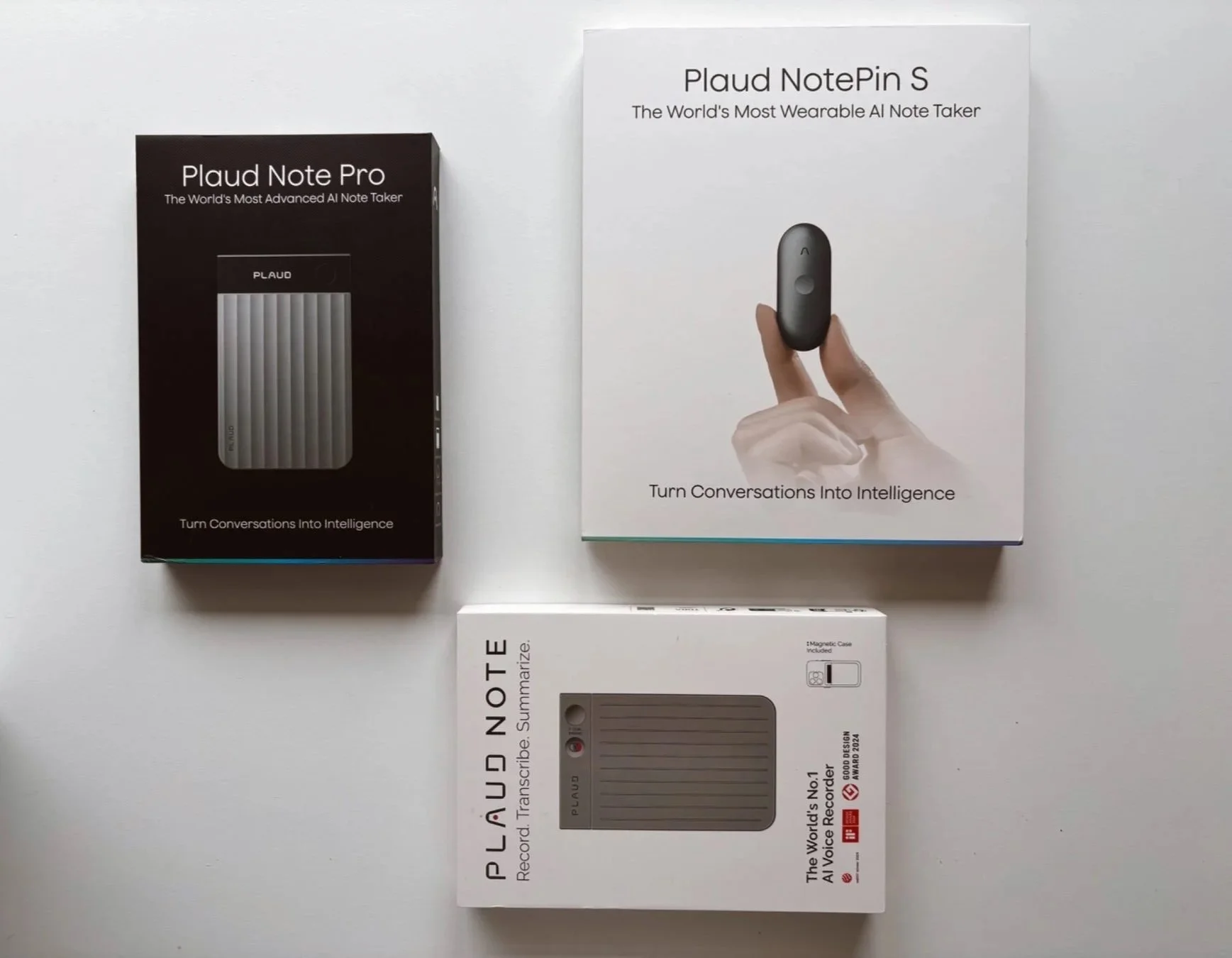
What Is Plaud AI and How Does It Work? A Beginner’s Guide to Plaud Note and NotePin S
Artificial intelligence is now being added to almost everything, but not all AI products make immediate sense when you first hear about them. Plaud is a good example of that.
At first glance, Plaud can look like just another voice recorder brand. But that is not really what it is. Plaud is better understood as an AI note-taking system designed to help you record conversations, meetings, calls and spoken ideas, then turn them into transcriptions, summaries and usable notes inside an app.
I’ve now spent time with both the Plaud Note/Note Pro and the Plaud NotePin S, and that has made the whole Plaud idea much clearer to me. These are not devices for everyone, and they are not magic. But if your work, routine or creative life involves lots of spoken information, they can be genuinely useful.
In this guide, I’ll explain what Plaud AI is, how it works, what makes it different from a basic recorder, and the main difference between the Plaud Note/Note Pro and the NotePin S.
What Is Plaud AI?
Plaud AI is an AI-powered note-taking system built around small recording devices and a companion app.
The basic idea is simple. You record speech with a Plaud device, and the system then uses AI tools to transcribe what was said and turn it into something more useful, such as:
a written transcript
a summary
action points
structured notes
searchable meeting content
So Plaud is not just about capturing audio. It is about helping you process spoken information faster.
That is why it appeals to people who deal with:
meetings
interviews
work calls
brainstorming
content planning
voice notes
quick ideas while on the move
How Does Plaud AI Work?
In simple terms, Plaud works in three stages.
1. It records your voice, calls or conversations
This depends on the device and how you use it, but the first stage is straightforward: the Plaud device captures audio.
2. The audio is sent into the Plaud app
Once the recording is available in the app, the software processes it.
3. The AI turns it into useful notes
This is the part that makes Plaud more interesting than a standard recorder. Instead of leaving you with a long audio file you have to sit through again, the app can generate transcriptions and summaries that are much easier to work with.
That means Plaud is really about saving time and reducing friction. For the right user, that is the real value.
Is Plaud AI Just a Voice Recorder?
No, not really.
A normal voice recorder captures sound. That is useful, but it still leaves you with the job of listening back, extracting key points and turning them into notes yourself.
Plaud tries to do more of that thinking and organising for you.
That is the difference.
If all you want is raw audio, you do not need Plaud. Your phone can already do that. But if you want help turning speech into something more structured and usable, that is where Plaud becomes more interesting.
Who Is Plaud AI For?
Plaud makes the most sense for people who regularly deal with spoken information and do not want to lose time manually organising it.
That could include:
business users
remote workers
people in meetings all day
journalists and bloggers
creators capturing ideas on the go
anyone who prefers speaking over typing
It is especially useful for people who often think, plan or work verbally.
For example, if you regularly have a good idea while walking, driving, working or moving between things, Plaud can help capture that before it disappears.
Plaud Note vs NotePin S: What’s the Difference?
This is where the guide becomes more useful, because Plaud now has more than one product and they do not feel the same in real life.
Plaud Note
The Plaud Note feels more like a dedicated AI recording device. It suits people who want something more deliberate and device-based for meetings, calls, interviews or focused note-taking.
It is the kind of product that makes sense if you like the idea of carrying a specific tool for capturing important spoken information.
You can read my full review here:
Plaud Note review: This AI-powered voice recorder might change the way you work
Plaud NotePin S
The Plaud NotePin S takes a more wearable, lightweight and flexible approach. It feels more natural for quick capture, ideas on the move, daily convenience and hands-free note-taking.
That makes it interesting for people who want AI note-taking to fit more naturally into everyday life rather than feel like a separate work device.
You can read my full review here:
Plaud NotePin S review: The wearable AI note taker for meetings, calls and ideas
Which One Is Better?
Neither is automatically better. It depends on how you work.
The Plaud Note/Note Pro makes more sense if:
you want a more traditional recording device
your use is meeting-heavy
you prefer a dedicated work tool
The NotePin S makes more sense if:
you want something more wearable
you capture ideas on the move
you want more convenience and less friction
That is why this guide should not try to crown one winner. These products are aimed at slightly different routines.
Is Plaud AI Worth It?
Plaud AI is worth it if you genuinely have a workflow where spoken information matters and you want help turning that into usable notes quickly.
It is probably not worth it if:
you rarely record anything
you are happy typing everything manually
you only need the occasional voice note
you expect the AI to do absolutely everything perfectly
That last point matters. Products like this can be genuinely useful, but only when you understand what they are for. Plaud is not a miracle gadget. It is a productivity tool, and its value depends on whether it solves a real problem in your routine.
My Take on Plaud AI
Having now spent time with both the Plaud Note and the NotePin S, I think the strongest thing about Plaud is that it takes AI and applies it to something practical.
A lot of AI products still feel vague or gimmicky. Plaud is easier to understand once you use it: record speech, process it, organise it, save time.
That does not mean every person needs one. But it does mean the idea is more useful than it first appears.
If you are new to the brand, the best next step is to decide whether you want a more traditional AI recorder or a more wearable one.
For more detail, read my full reviews:
FAQ
What does Plaud AI do?
Plaud AI records speech and uses AI tools to transcribe, summarise and organise spoken content into notes.
Is Plaud AI the same as a voice recorder?
No. It records audio, but it also adds transcription and AI-generated note features, which makes it more useful for productivity.
What is the difference between Plaud Note and NotePin S?
Plaud Note feels more like a dedicated recording device, while NotePin S is designed to be more wearable and convenient for quick capture on the go.
Who should use Plaud AI?
Plaud AI is best for people who regularly work with meetings, calls, interviews, brainstorming or spoken ideas.
Is Plaud AI worth buying?
It can be, but only if it fits your routine. Its value comes from saving time and making spoken information easier to manage.
Jerome.

Hi, I’m Jerome. I’ve been reviewing men’s lifestyle and tech products since 2013, testing them in real life and sharing honest, experience-based recommendations on Dapper & Groomed.