
Chest Hair Grooming & Stomach Hair Removal
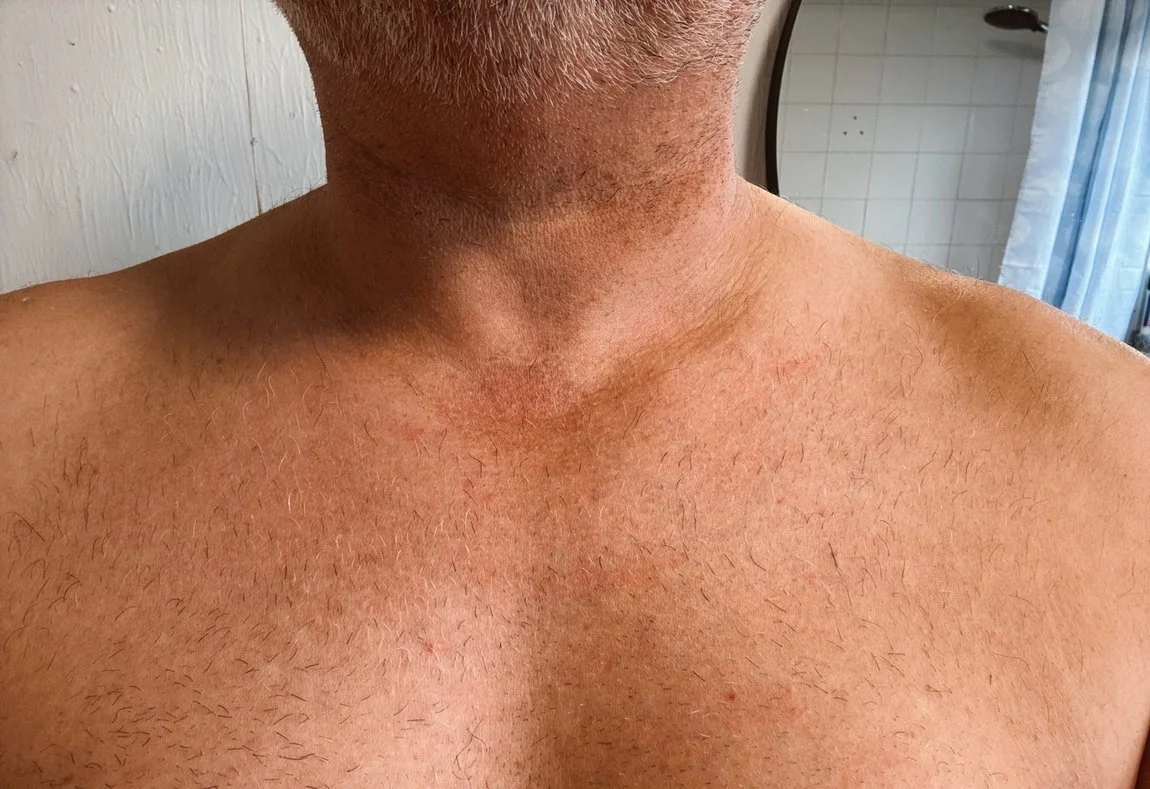
Most chest hair grooming advice treats the chest and stomach as a single area. In reality, managing chest hair and deciding how to remove stomach hair are two completely different decisions — technically, aesthetically, and psychologically.
I don’t treat them the same way, and neither should you.
My chest hair stays. I trim it shorter in winter and remove it completely in summer, depending on the look I want. It feels deliberate when it’s maintained properly. My stomach hair, on the other hand, I’ve chosen to remove long term. After years of shaving and trimming, I eventually committed to IPL treatment with the ULIKE Air 3, which reduced regrowth to the point where maintenance is now minimal.
Two adjacent areas. Two different strategies.
Understanding what you actually want from each zone before choosing a tool is the most important step in body hair grooming. This guide walks through both: chest hair trimming, chest hair removal, stomach hair shaving, and long-term stomach hair reduction — including the safety details most guides skip over. Yes, that includes what happens when a trimmer meets a nipple.
We’ll get to that. The question isn’t whether to groom your chest and stomach hair. The real question is what you want each area to look and feel like — and choosing a method that delivers that specific outcome rather than applying a one-size-fits-all approach to your entire torso.
The Chest and Stomach: Why They Deserve Separate Strategies
Most chest hair grooming advice treats the chest and stomach as a single zone. In practice, they’re different in texture, visibility, and intention — and that changes how you should manage them.
Chest hair tends to carry more aesthetic weight. It’s visible at the beach, above an open collar, and in any shirtless setting. Many men don’t want it gone — they want it controlled. A trimmed chest looks deliberate. A smooth chest looks deliberate in a different way. The key is intention. The difference between intentional chest hair grooming and neglect is obvious.
Stomach hair is usually a different conversation. For most men, stomach hair removal isn’t about shaping — it’s about reduction or full removal. The “happy trail” in particular attracts stronger opinions, and they generally lean toward clearing it rather than styling it.
Before choosing a tool or method, decide what category each area falls into for you. My own approach — trim or seasonally remove chest hair, permanently reduce stomach hair — won’t be universal. But defining your outcome first makes every grooming decision that follows deliberate rather than reactive.
Chest Hair Grooming: The Seasonal Approach That Actually Makes Sense
I manage my chest hair grooming differently depending on the time of year, and this seasonal approach has proven both practical and intentional. If you’re not committed to a single year-round look, flexibility is an advantage.
In winter, when my chest is covered most of the time, I keep the hair trimmed short — neat, controlled, but present. In summer, when I’m shirtless more often, I prefer a smooth chest and go for full removal. Both looks are deliberate. The key is choosing based on context rather than habit.
This flexibility is exactly why I’ve avoided using IPL on my chest. IPL progressively reduces hair growth over multiple sessions — which is ideal for areas like the stomach where the goal is permanent reduction. But with chest hair, I want the option of keeping it part of the year. Committing to long-term reduction would remove that choice.
The decision not to use IPL on a specific area can be just as intentional as choosing to use it. If you value having seasonal control over your chest hair, think carefully before starting any permanent hair reduction treatment.
Method 1: Trimming Chest Hair for a Short, Neat Look
If your goal with chest hair grooming is control rather than removal, trimming is the most practical approach. For a winter maintenance trim — or any time I want neat, short chest hair instead of full removal — a quality chest hair trimmer with an adjustable guard is the right tool.
I’ve had consistently good results using the Manscaped Lawn Mower 5.0, the Maxgroom, and other dedicated body hair trimmers I cover in my full roundup:my full body hair trimmer guide. The chest is one of the more forgiving areas to trim: the skin is stable, visibility is excellent, and the surface is broad enough to work methodically without awkward angles.
Choosing the right guard length comes down to preference. I usually use the shortest guard available, leaving the hair around one to two millimetres — short enough to feel smooth and intentional, but long enough to remain visibly present. If you prefer a more natural look, a slightly longer guard simply controls bulk and stray hairs without flattening everything.
When trimming chest hair, work in sections rather than moving randomly. Use slow, controlled strokes against the direction of hair growth for the closest, most even result. Rinse the blade head frequently — chest hair is denser than it looks, and trimmers clog faster here than many men expect.
The Nipple Warning — Read This Before Trimming Your Chest
The area around the nipple is one of the most commonly nicked spots when trimming chest hair. And when it catches, it bleeds more than you expect.
The skin there is slightly raised and looser than the surrounding chest, which makes it more vulnerable to a moving blade. Slow down significantly in this zone. Use shorter strokes. If your trimmer has a smaller head or precision attachment, switch to it. Alternatively, work around the nipple carefully rather than sweeping directly across it.
Ten extra seconds of focus here prevents a surprisingly messy and unnecessary mistake.
Method 2: Full Chest Hair Removal With a Guardless Trimmer
If you want a smooth chest (especially in summer), using a body hair trimmer without a guard is one of the fastest ways to remove chest hair without reaching for a razor. You won’t get razor-baby-smooth skin, but you’ll get a very close finish — dramatically closer than any guarded trim — and for a lot of men that’s the sweet spot between comfort, speed, and results.
This is also one of the simplest chest hair removal methods to maintain. No shaving foam, no blade dragging, no serious setup. Just trim, rinse the head, and you’re done.
One thing to know: the first few times you go guardless on the chest, mild redness is normal. A trimmer blade passing directly over skin creates more friction than trimming with a guard, and your chest skin reacts because it’s not used to it. In my experience, that redness fades quickly (usually within 30–60 minutes) and by the third or fourth session, your skin tends to adapt and the reaction becomes minimal or disappears.
Think of it like breaking in a new routine — not a sign you’re doing something wrong.
⚠ Guardless Trimming + Nipples: Be Extra Careful
The nipple warning applies even more when you’re removing chest hair guardless. Slow down. Use short strokes. Keep the skin taut. Don’t do casual sweeping passes across the nipple area like you’re mowing a lawn — this is the exact spot where men get caught out, and it’s never worth it.
If you want one simple rule: treat the nipple area like detail work, not “main area” trimming.
Method 3: Depilatory Cream for the Smoothest Chest Hair Removal
If your goal is genuinely smooth skin — not just closely trimmed — a depilatory cream is one of the most effective ways to remove chest hair. When I want the smoothest possible result, I use Veet for Men.
Compared to removing chest hair on the back, the chest is far easier: you can see what you’re doing, the application is controlled, and the surface area is manageable. The result typically lasts around two weeks before meaningful regrowth, making this the best option for sustained smoothness during summer or a beach holiday.
The process is straightforward:
Apply a generous, even layer across the chest.
Set a timer and check at the minimum time listed on the packaging (usually around five minutes).
Test a small area first — if the hair wipes away cleanly with the spatula, it’s ready.
Rinse thoroughly in the shower.
Pat dry and apply a fragrance-free moisturiser immediately.
Never exceed the maximum time stated on the packaging. Depilatory creams work by breaking down the protein structure of the hair — and your skin will react if you leave them on too long.
The main drawback is dryness. The chemical process removes natural oils along with the hair, and your skin can feel tight for a day or two. Moisturising generously after treatment largely solves this. If you have sensitive skin, do a patch test first.
Depilatory Cream and Nipples — Do Not Skip This
Avoid applying depilatory cream directly onto the nipple itself. The skin of the nipple is far more sensitive than the surrounding chest and reacts more aggressively to chemical agents. Apply the cream to the chest area only, leave a clear margin around the nipple, and remove any stray product immediately if it spreads.
A small trimmer nick around the nipple is unpleasant. A chemical reaction there is considerably worse.
Slow, deliberate application prevents both.
How to Remove Stomach Hair: From Shaving to Permanent Reduction
My approach to stomach hair removal is fundamentally different from my approach to chest hair grooming. Where my chest is something I sometimes keep and sometimes remove, my stomach is an area I decided years ago I wanted clear — consistently. The journey to that point followed a logical progression.
I started with quick manual razor passes — simple, fast, low-risk, and effective. The stomach is one of the most forgiving areas on the body to shave: the skin is flat and stable, visibility is excellent, and irritation is far less common than in more sensitive areas like the groin.
For short-term stomach hair removal, a razor works extremely well.
The Manual Razor Approach
A standard cartridge razor — including something like the Gillette Intimate or any quality razor you already use — is perfectly suitable for removing stomach hair.
Apply a fragrance-free shaving gel. Use light strokes without pressure. Rinse the blade frequently. Moisturise afterwards. The entire process takes five minutes. The trade-off is regrowth. Hair returns within a few days, which means this method becomes a regular commitment rather than a long-term solution. If you’re new to body grooming and unsure about technique, my beginner’s body grooming guide explains preparation, length choices, and how to avoid irritation.
The Body Hair Trimmer Approach
If you want to remove stomach hair quickly without introducing a razor, a guardless body hair trimmer works well. The stomach is easy to trim: stable skin, good visibility, no particularly delicate zones. A two- to three-minute pass across the area produces a clean, close result with minimal preparation.
This is my preferred option for quick maintenance when I’m not shaving.
But like shaving, it’s still temporary.
IPL: The Long-Term Stomach Hair Removal Solution
After years of rotating between shaving and trimming, I started using the ULIKE Air 3 on my stomach — and it changed everything: my detailed ULIKE Air 3 review
With consistent weekly use over three months, stomach hair growth reduced dramatically. What used to require weekly maintenance now requires a brief touch-up every two to three weeks — and even then, there’s far less hair to manage.
Let me be precise about the timeline, because this is where most men get misled. Visible reduction started around six to eight weeks. By the three-month mark, the reduction was substantial and clearly durable. This is not an instant solution. It’s a gradual one. But it works.
Treating your own stomach with IPL is straightforward. Unlike the back, you don’t need help. A full session takes around fifteen to twenty minutes.
Two rules are non-negotiable:
• Wear the protective glasses every single time.
• Shave the stomach before every IPL session.
Applying IPL to unshaved hair reduces effectiveness and increases the risk of irritation. Shave first. Always.
Why I Chose IPL for the Stomach (But Not the Chest)
The stomach is an area where I have zero ambiguity: I don’t want hair there. Ever. That certainty makes IPL the right solution. It progressively reduces hair and reduces maintenance with each passing month.
The chest is different. I value flexibility. Some seasons I want hair. Some seasons I don’t. Committing to IPL on the chest would remove that choice.
The rule I’d suggest: use IPL only on areas where you are completely certain about the outcome you want. If you value having options, hold back.
The Tools in Summary
For chest trimming — short, neat look — any quality body hair trimmer with an appropriate guard. The Manscaped Lawn Mower 5.0, Maxgroom, or Philips OneBlade all perform well here. Take extra care around the nipple area regardless of which trimmer you use.
For chest full removal — guardless trimmer pass for a quick smooth result, or Veet for Men depilatory cream for the smoothest and longest-lasting outcome. The two-pass approach — guarded first, then guardless — produces a better guardless result than a single pass on longer hair.
For stomach maintenance — a manual razor for a quick clean result with no equipment beyond a razor and shaving gel, or a guardless trimmer pass for speed and simplicity without prep.
For stomach long-term reduction — the ULIKE Air 3/Air 4 with a consistent three-month protocol. Personal recommendation based on direct experience. The most significant grooming improvement I've made in this area and the one I'd prioritise for any man who's certain they don't want stomach hair as an ongoing feature.
The best grooming decisions come from knowing what you actually want from each area of your body — not from applying the same method everywhere because it's simpler. A few minutes of honest self-assessment about what outcome you're after saves months of managing a result you're not entirely happy with.
Quick Safety Notes (Read This)
- Nipples: Slow down and use shorter strokes — loose skin catches easily.
- Guardless trimming: Expect a bit of redness the first couple of times; moisturise after.
- Depilatory cream: Patch test first and avoid applying directly on very sensitive skin.
Jerome

A practical guide to pubic hair styles for men — from natural trim to full shave. Tools, maintenance, pros and cons, and aftercare advice from a former pharmacy assistant who's tried most of it.