
Plaud Note Pro vs Plaud Note: Which Plaud AI Recorder Should You Buy?
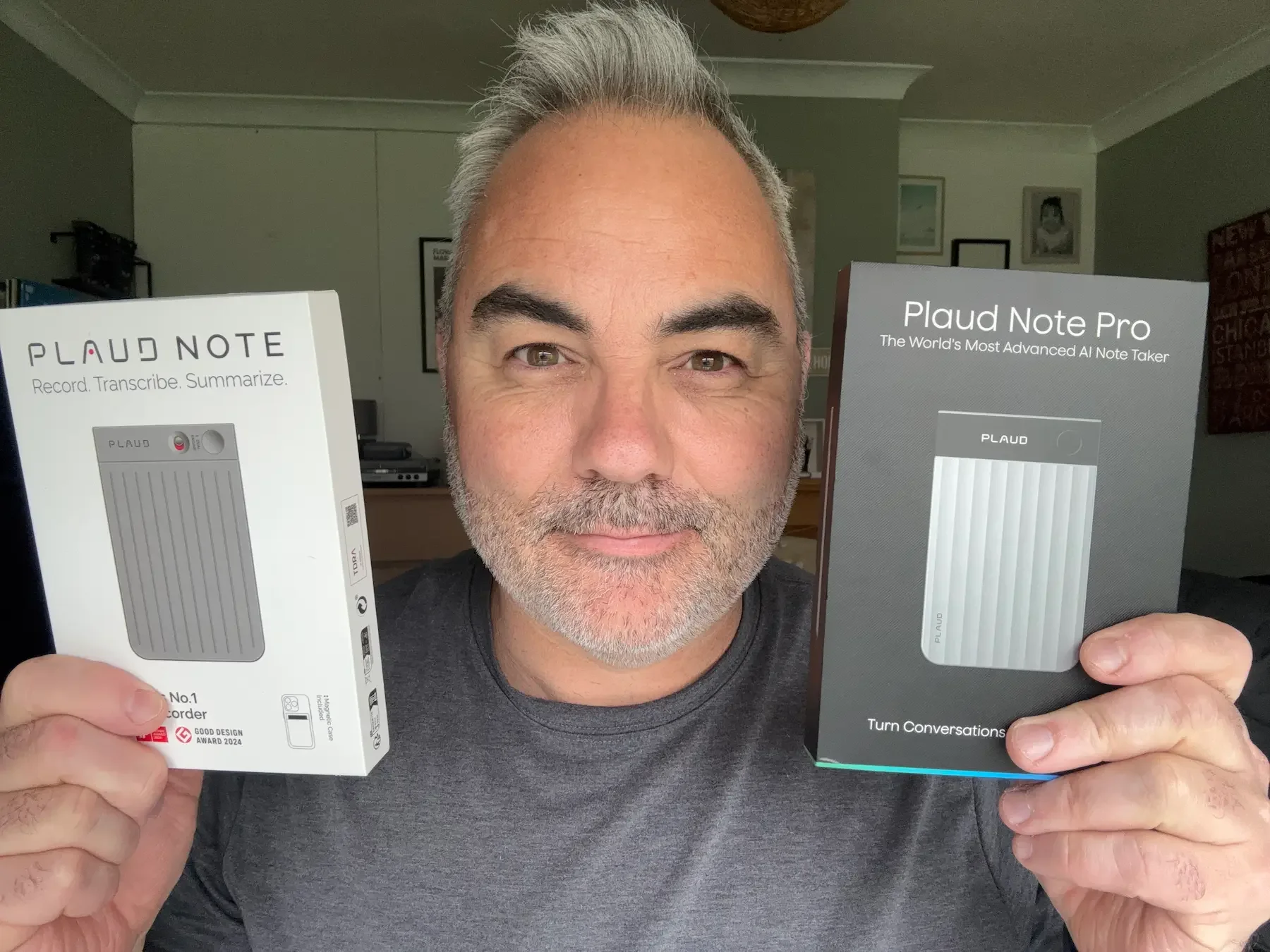
A look at the retail packaging of the Plaud Note and Plaud Note Pro before my hands-on comparison.
Disclosure: Plaud AI sent me the Plaud Note and Plaud Note Pro for review purposes. That said, all opinions in this post are completely my own and based on my real experience using both devices. As an Amazon Associate, I earn from qualifying purchases.
I have used both the Plaud Note and the Plaud Note Pro properly in real life.
Not just for a quick test. Not just for a day. I have used them as someone who writes, creates content, takes calls, records ideas, and still carries some of that old corporate-world habit of wanting tools to be simple, efficient, and worth the money.
And that is exactly what this comparison comes down to.
Because both devices are good. But they are not for the same type of user.
The original Plaud Note is still a very smart little recorder. It is simple, useful, and for many people it will be enough. But the Plaud Note Pro is clearly the better device. Better microphones. Better battery. Better usability. Better overall workflow. It feels like the more complete Plaud AI tool.
The simple answer
Buy the Plaud Note if you want the cheaper option and your needs are fairly simple.
Buy the Plaud Note Pro if you record often, work in meetings, deal with group conversations, or want the smoother overall experience.
That is really it.
For a deeper look at each device on its own, you can also read my full Plaud Note review and my full Plaud Note Pro review.
What both Plaud devices do well
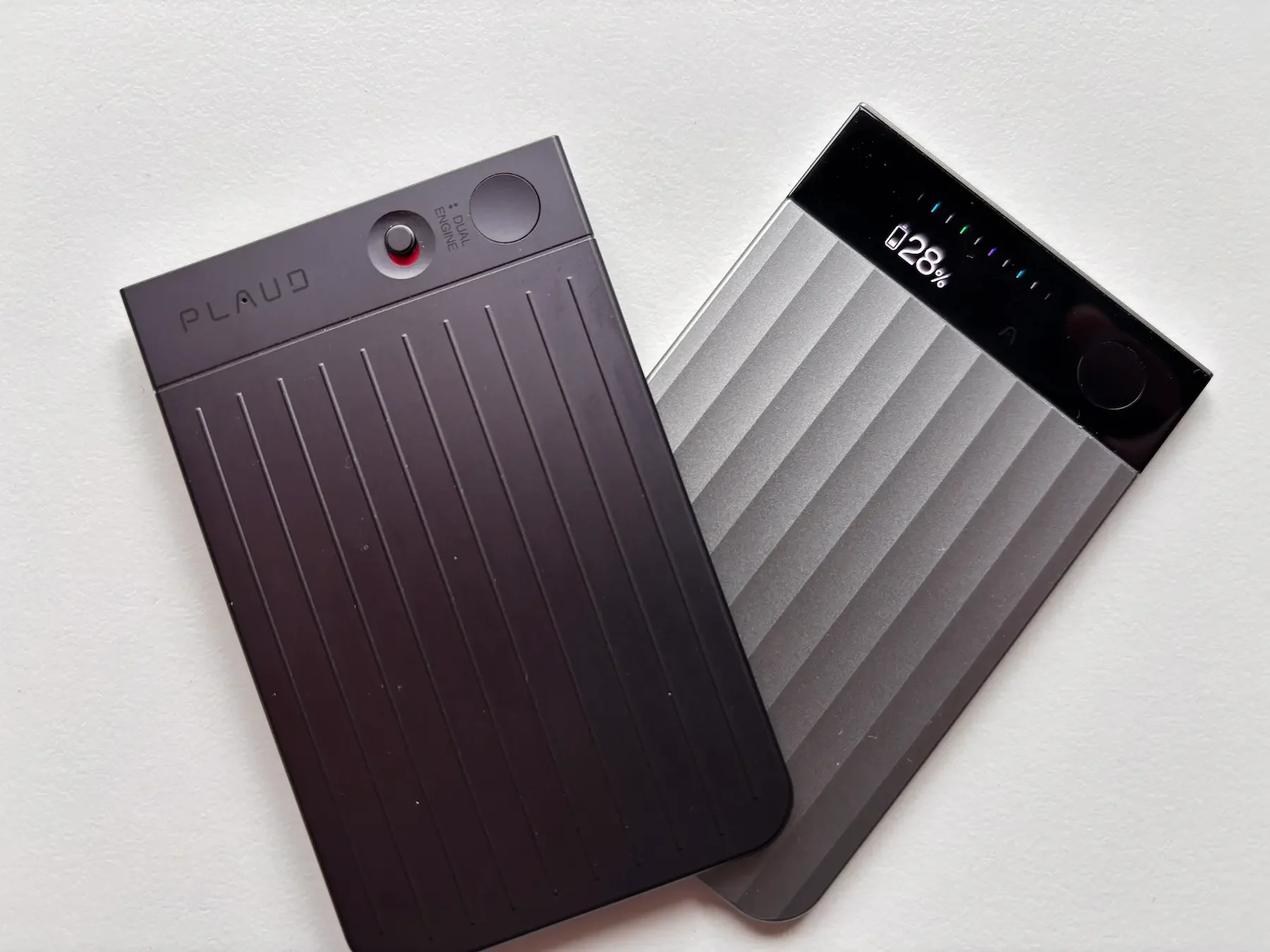
The Plaud Note and Plaud Note Pro side by side, showing the difference in design and display.
Let’s start fairly.
Both the Plaud Note and the Plaud Note Pro are built around the same idea. A slim recorder that works with the Plaud AI app to capture conversations, voice notes, calls, and then turn them into transcripts and summaries.
That part is strong on both.
Both give you access to the same Plaud AI ecosystem. The same app. The same general idea. The same subscription structure too, which is important and something buyers should remember.
So this is not a case of one device giving you access to Plaud AI and the other not. They both do.
The difference is how good the hardware feels once you start using it regularly.
Where the Plaud Note Pro is better
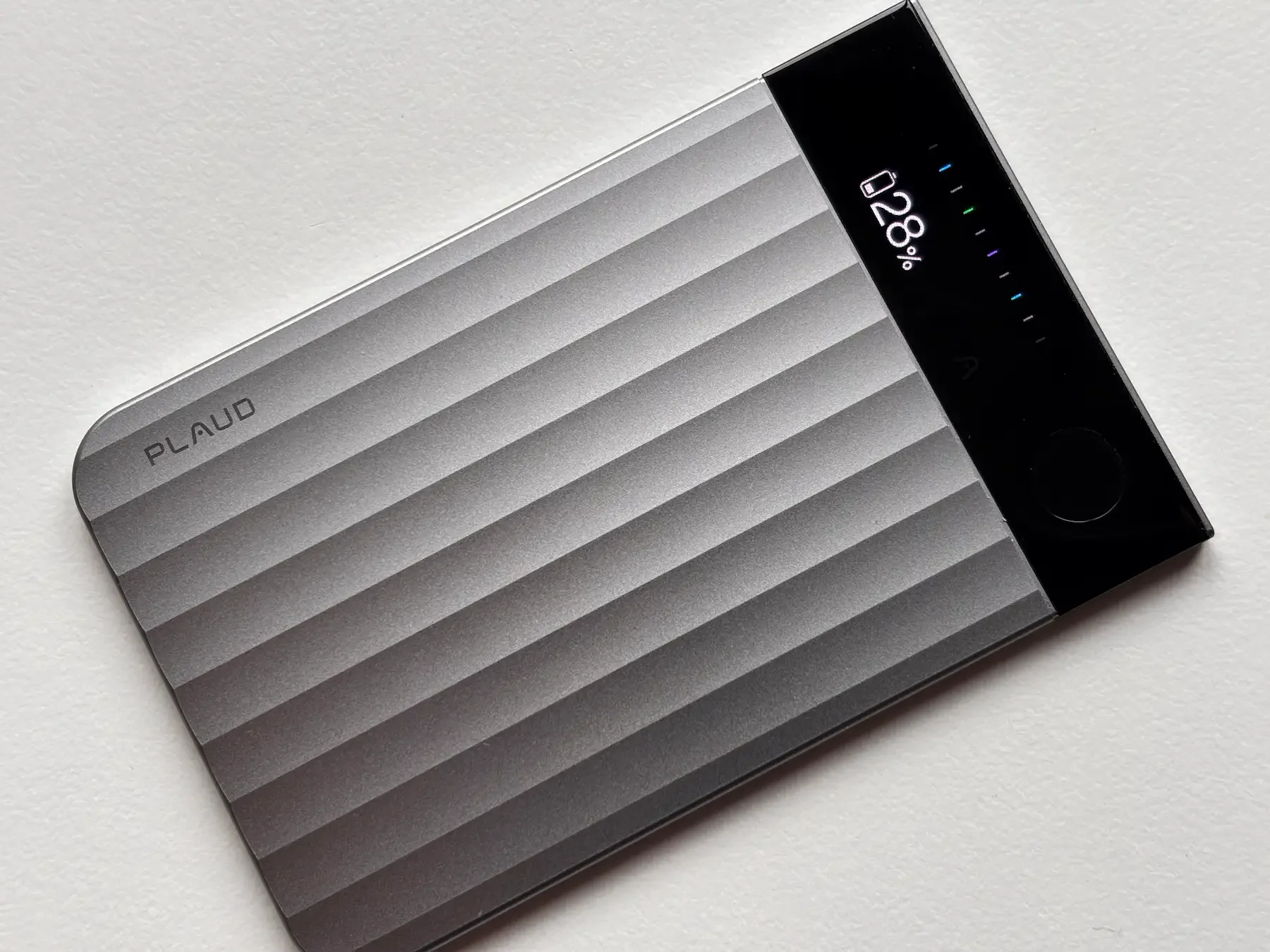
A closer look at the Plaud Note Pro and its more modern design with built-in display.
This is where things get clearer. Fast.
The biggest difference is voice pickup and recording quality.
The Plaud Note Pro has 4 MEMS microphones and 1 VPU. The original Plaud Note has 2 MEMS microphones and 1 VPU. That gives the Pro a clear advantage when it comes to picking up voices more cleanly, especially in bigger rooms or more demanding situations.
The Plaud Note Pro can capture voices up to 16.4 feet away. The Plaud Note goes up to 9.84 feet.
That matters!
If you mostly record quick thoughts, calls, or one-to-one conversations, the Plaud Note is still perfectly fine. But if you are sitting in meetings, recording group discussions, or trying to capture several voices around a table, the Plaud Note Pro makes far more sense.
Then there is the display.
The Plaud Note Pro has an AMOLED display. The Plaud Note has no display at all. The design of the Pro also feels more modern and a bit more refined, which gives it a nicer, more premium feel in daily use.
Now, on paper that sounds like a small thing. In real life, it is not. Being able to check what is happening quickly makes the device feel easier, more modern, and less awkward. You spend less time wondering if everything is working as it should.
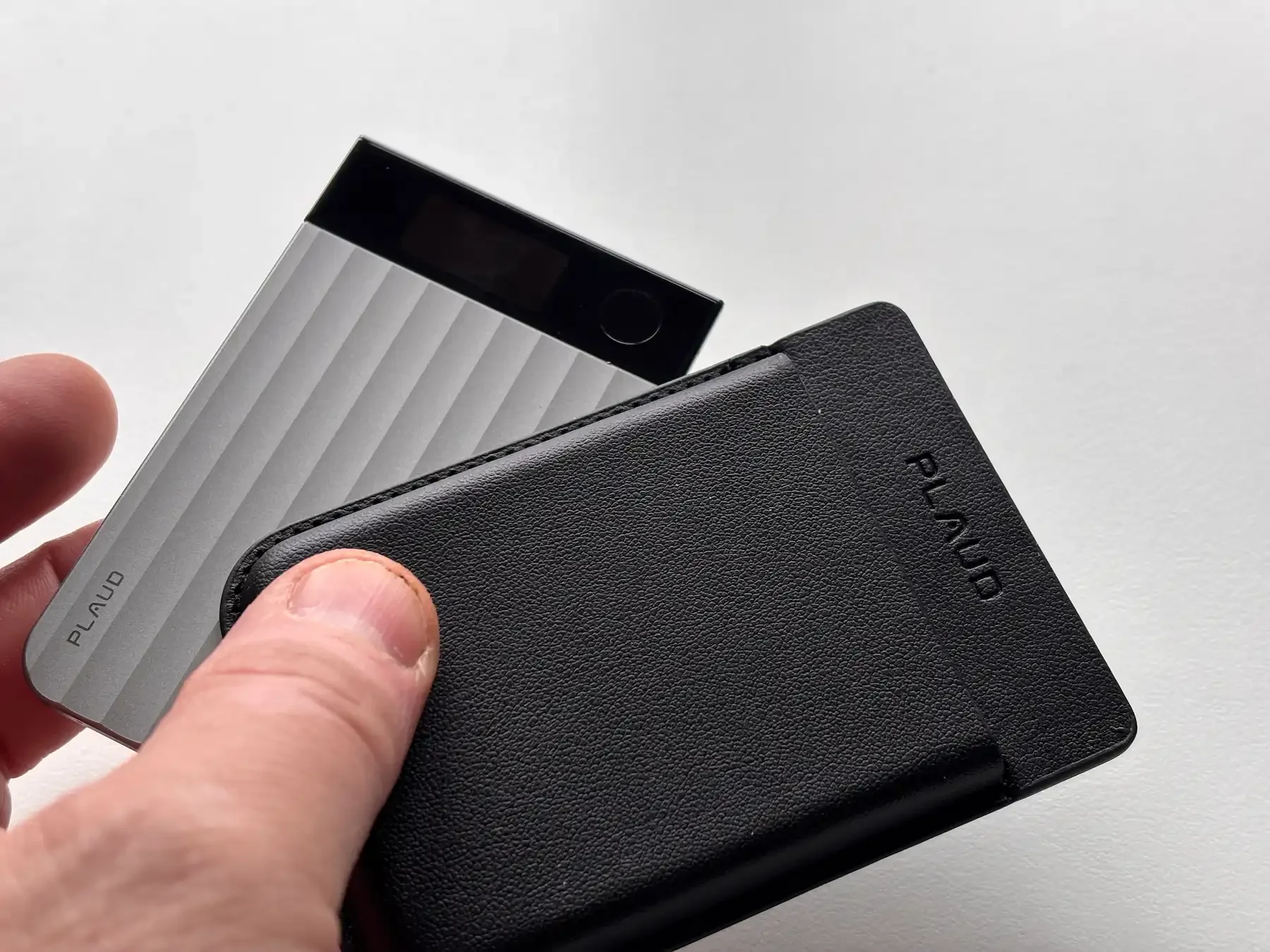
The Plaud Note Pro with its magnetic case, ready to attach to the back of a phone.
Battery life is another real upgrade.
The Plaud Note Pro has a 500mAh battery and up to 50 hours of continuous recording. The Plaud Note has a 400mAh battery and up to 30 hours.
Again, for light users that might not sound dramatic. But for heavier users, or anyone who just wants fewer things to think about, it is a genuine advantage.
The recording mode is also smarter on the Pro.
The Plaud Note Pro includes smart dual-mode recording with automatic switching. The Plaud Note requires manual mode switching.
That is exactly the kind of feature people underestimate. Until they live with it. Then they realise how nice it is when a device removes one more little point of friction from the day.
And finally, the Plaud Note Pro uses Bluetooth 5.4, while the Plaud Note uses Bluetooth 5.2. That is not the main reason to upgrade, but it adds to the feeling that the Pro is the newer, more complete device overall.
Where the Plaud Note still makes sense
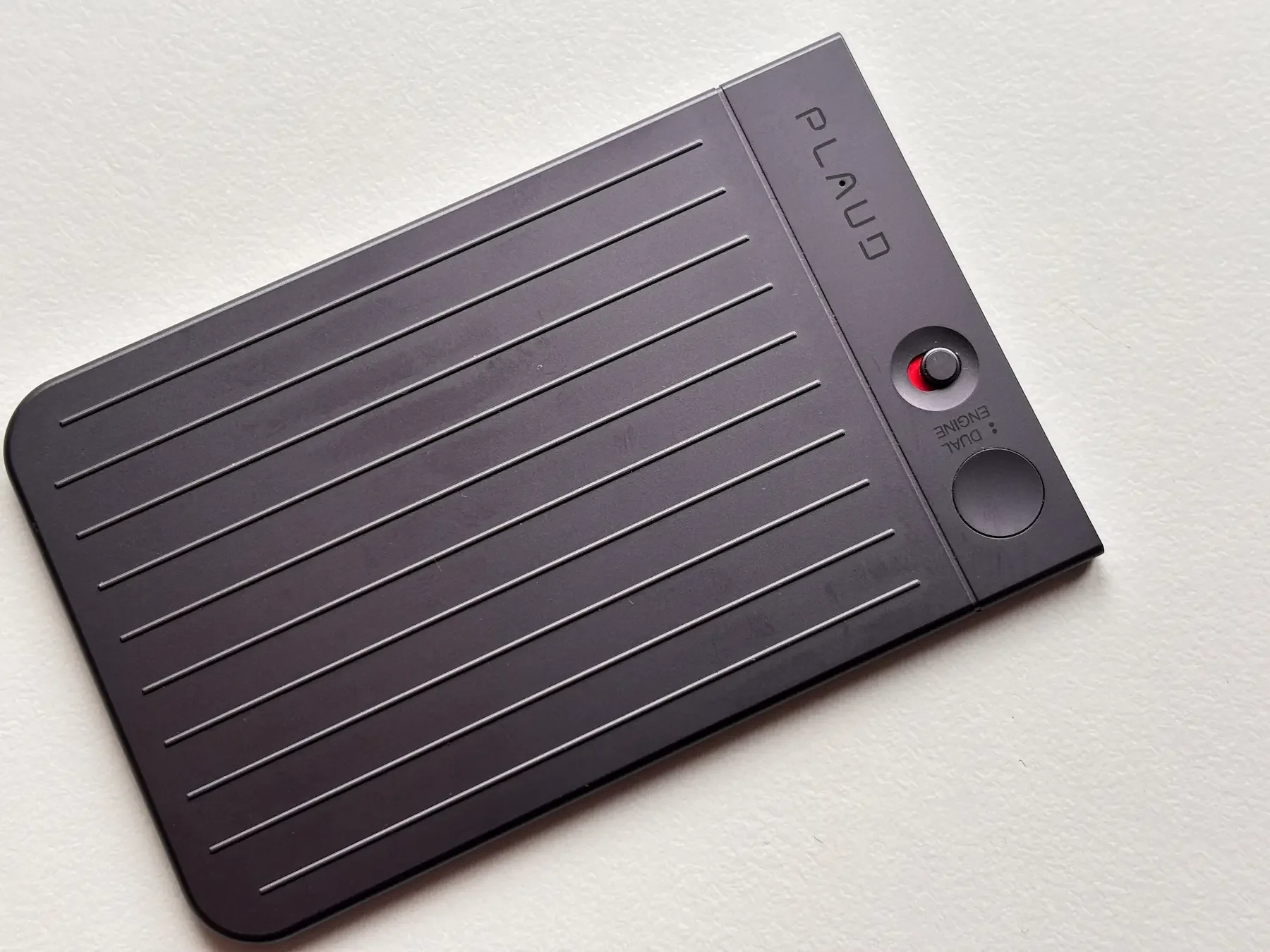
The original Plaud Note keeps things simple, with a clean design and manual controls.
Now for the other side of it.
The original Plaud Note is not outdated rubbish. Not at all.
It is still a very good product. It still gives you the Plaud AI experience. It still looks smart. It still works well. And if you are a lighter user, it may actually be the more sensible buy.
Not everybody needs the better microphone array.
Not everybody needs longer pickup range.
Not everybody needs an AMOLED display.
Not everybody needs 50 hours of battery.
And not everybody needs smart automatic mode switching.
Some people just want a neat, discreet recorder that works well and helps them remember what was said.
That is still the Plaud Note.
There is also something I like about its simplicity. It feels straightforward. Less advanced, yes, but also less like overkill if your life is not full of meetings and recorded conversations.
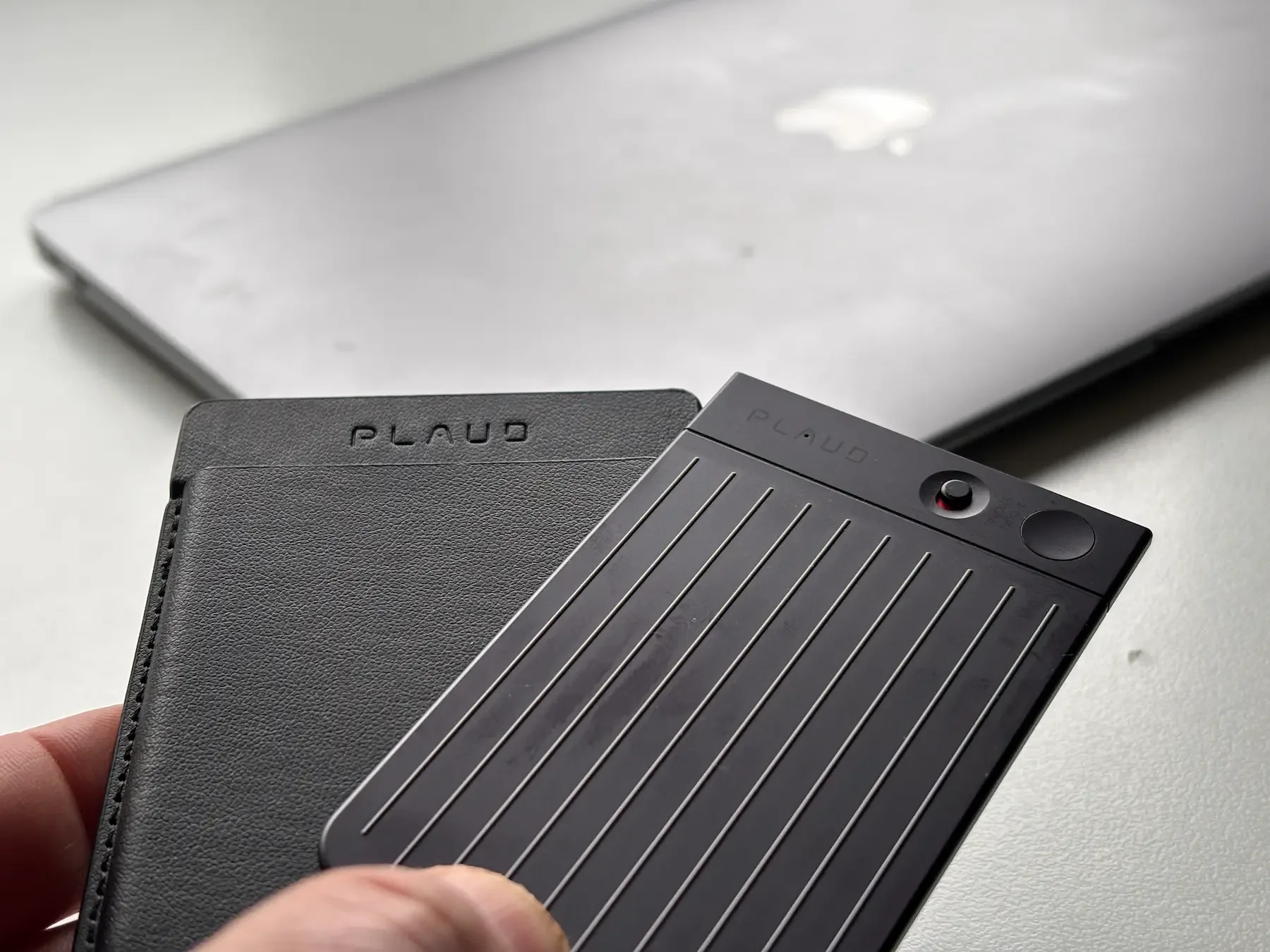
The original Plaud Note with its magnetic case, designed for simple everyday use.
The subscription point matters too
This bit is important, because it keeps the comparison honest.
The subscription model is the same for both devices.
So whether you buy the Plaud Note or the Plaud Note Pro, you are still stepping into the same Plaud AI ecosystem, the same app, and the same paid plan structure if you want more transcription minutes or heavier AI use.
That means the extra money for the Plaud Note Pro is really about the hardware and day-to-day experience, not a different software package.
So ask yourself one simple question: will I actually benefit from the better hardware often enough to justify paying more?
If the answer is yes, the Pro is the right one.
If the answer is no, the original Note is still a smart choice.
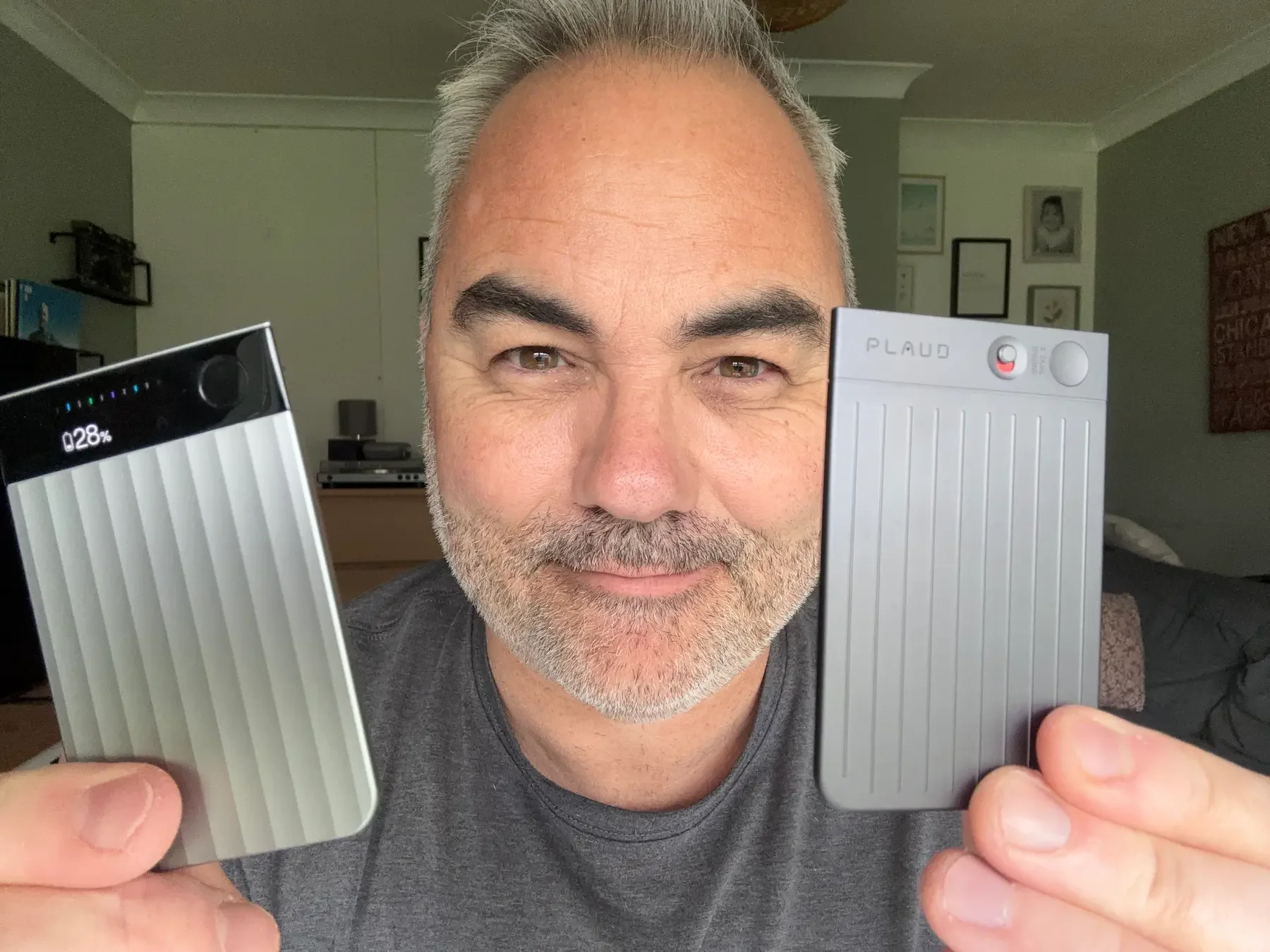
A close look at the Plaud Note Pro and Plaud Note side by side.
My honest verdict
This is where I land.
If you are a professional, manager, content creator, consultant, journalist, or anyone who records conversations regularly, I would buy the Plaud Note Pro.
It is better. Plain and simple.
The microphones are better.
The pickup range is better.
The battery is better.
The display makes life easier.
The smart recording mode is better.
It just feels more polished.
That does not mean the Plaud Note is bad. It means the Plaud Note Pro is the one I would choose if this was going to be a real working tool in my life.
But if you are only going to use Plaud AI now and then, and you mainly want a good recorder for lighter use, the Plaud Note still makes a lot of sense. You get the same Plaud AI platform, the same core idea, and a lower entry price.
And that is really the whole point of this comparison.
The Plaud Note is the sensible buy for simpler needs.
The Plaud Note Pro is the better buy for heavier use.
So if you are reading this and thinking, “I want the one that does more, lasts longer, and feels easier to live with,” then yes, you probably want the Plaud Note Pro.
The Plaud Note is available on Amazon.com (here) and Amazon UK (here)
The Plaud Note Pro is available on Amazon.com (here) and Amazon UK (here)
Jerome
About the author: Jerome has been testing and reviewing tech products since 2013, with a focus on real-life use, honest verdicts, and products that genuinely improve everyday life.
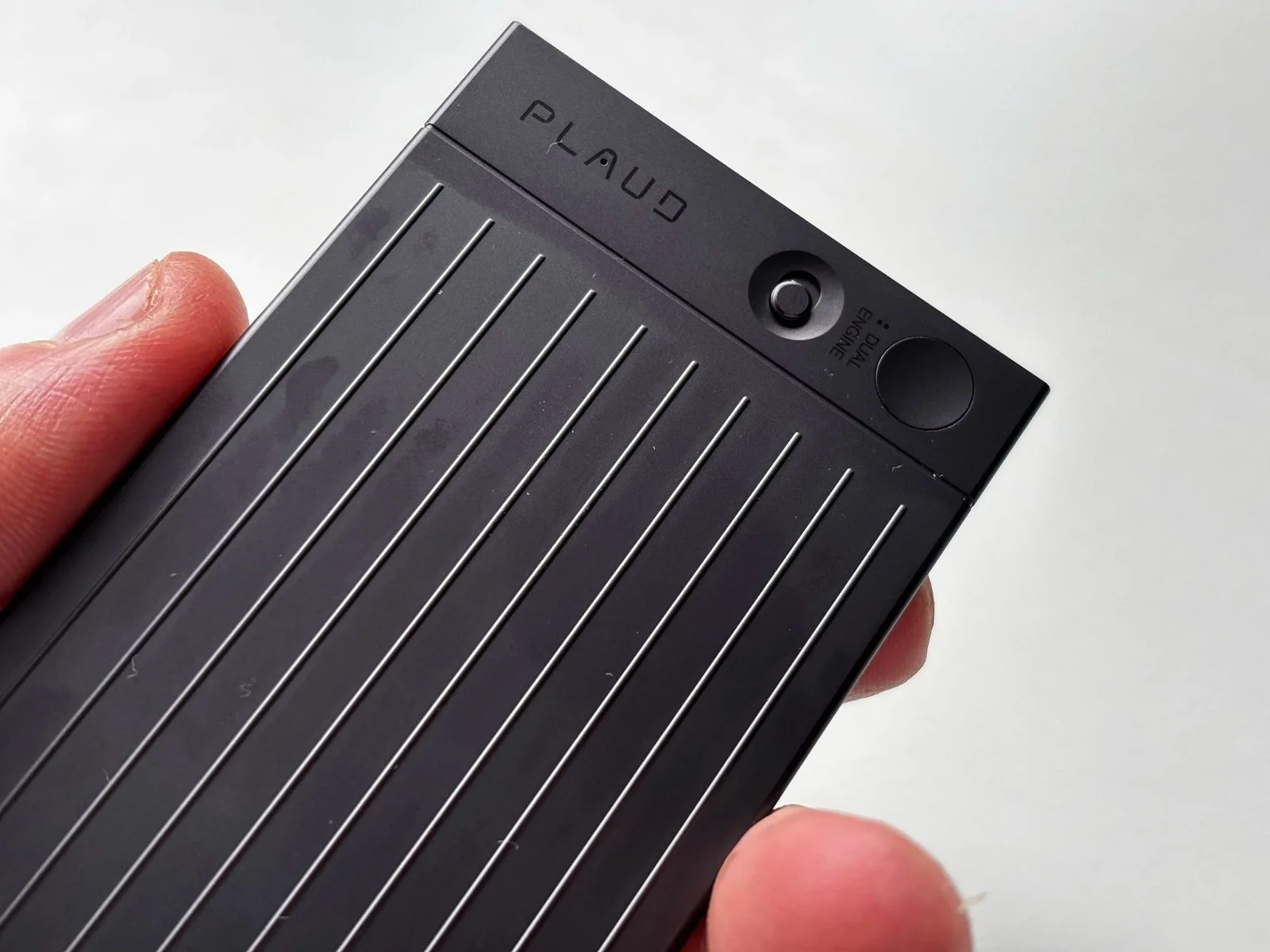
I’ve tested these Edifier headphones and speakers myself. Here are 5 Prime Big Deal Days 2026 deals worth checking out, with discounts up to 33%.